

7 Common Fears About Emergency Wisdom Tooth Extraction
Emergency wisdom tooth extraction is performed to relieve pain and stop infection, not to create additional discomfort. Modern anesthesia and surgical techniques are designed to keep patients comfortable and well-controlled during treatment. Most fears about pain, swelling, or complications are far less severe in reality than people expect. Following post-extraction instructions greatly reduces the […] ...
Read More »Three Common Problems Caused by Wisdom Teeth
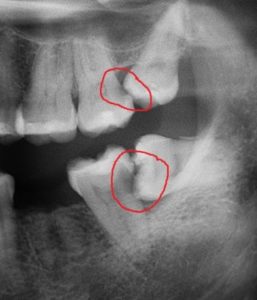
In today’s blog we are going to discuss three common problems that impacted wisdom teeth cause. Impacted wisdom teeth are teeth that develop inside the jaw bone, but fail to erupt/come out into the mouth. As a result, they can cause a variety of problems with adjacent teeth. ...
Read More »Dental Implants After Tooth Extraction: When & Why Do I Need Them?
Dental implants replace the missing tooth root and help preserve jawbone after extraction. The best time for implant placement varies by patient, ranging from immediate placement to several months after healing. Bone and gum changes begin right after a tooth is removed, which influences treatment planning. Leaving a gap can lead to bone loss, shifting […] ...
Read More »7 Warning Signs You May Need Wisdom Teeth Extraction
Wisdom tooth symptoms like pain, swelling, jaw stiffness, and bad breath are strong signs that extraction may be needed. X-rays can reveal hidden problems such as impaction, cysts, decay, or bone loss even when no symptoms are present. Removing wisdom teeth in the late teens or early twenties leads to easier surgery and faster recovery. […] ...
Read More »7 Postoperative Wisdom Teeth Removal Complications
Pain, swelling, and temporary jaw stiffness are the most common after wisdom teeth surgery, but they usually improve with proper care Dry socket can cause sharp pain, foul taste, and delayed healing a few days after the procedure if the protective clot is lost Nerve injury may lead to tingling, numbness, or sensitivity in the […] ...
Read More »Nerve Damage After Wisdom Tooth Extraction
Nerve damage is uncommon but possible during wisdom tooth removal. While the risk is low, it’s important to be aware that nerves near the extraction site can sometimes be affected during surgery. Most cases of nerve injury are temporary and heal on their own. In the majority of situations, sensation gradually returns as the nerve […] ...
Read More »Guide to Recovery from an Emergency Extraction Part 2
Bleeding usually stops within 24 hours, while pain and swelling peak in the first few days. Healing starts quickly, but the site remains tender and sensitive. Cold compresses during the first 24 hours help limit swelling, while switching to warmth after day one boosts circulation and speeds recovery. Eating soft, cool foods like yogurt or […] ...
Read More »What to Eat After Wisdom Teeth Removal

Most people get back to eating normally within one to two weeks after wisdom teeth removal, but recovery works best in stages. In the first 24–48 hours, stick to liquids and very soft foods like broths, smoothies, and yogurt to avoid irritating your mouth. By days 4–7, you can usually add gentle, filling foods such […] ...
Read More »What Are Complex Tooth Extractions?
Emergency teeth extractions in the Escondido and Temecula region often require surgical treatment. General dentists may not have the know-how to perform the more complex emergency extractions, in which case they refer patients to oral surgeons who have the expertise and experience to take care of them safely and minimal risk of complications. As the […] ...
Read More »Can a Tooth Extraction Cause a Sinus Infection?
Dental extractions can cause sinuses to become infected, which is why it is so important to follow a strictly planned aftercare protocol. Sinus infections can co-occur with oral problems, and oral problems can lead to sinus problems. Although tooth extractions are performed to eliminate a problem, they still cause discomfort. The body perceives all invasive […] ...
Read More »