

Food Trapping Under All-on-4 Teeth: Causes and Solutions
Key Takeaways:
|
Meals should feel easier after full-arch treatment, yet small particles can sometimes collect beneath the fixed restoration. This issue often reflects bridge shape, tissue changes, food texture, or a cleaning method that misses narrow spaces. It rarely means the treatment has failed.
The gap underneath is deliberate, since a full-arch implant bridge needs cleaning access built into its contour. For patients with All-on-4 dental implants in Lake Elsinore, trapping usually comes down to technique rather than a problem with the restoration. Here’s what causes it and what helps.
Why does food collect beneath a fixed bridge?
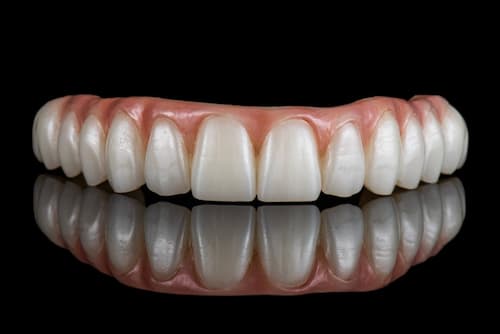 Food can collect because a fixed restoration must leave enough room for healthy tissue and effective cleaning. Its contour must also support speech, comfort, appearance, and chewing.
A small hygiene space is usually necessary
A bridge that presses too tightly against the gums can become difficult to clean. A slight access space lets specialized tools move beneath the restoration. That opening can also allow food debris beneath a fixed bridge. The amount varies with anatomy, bridge design, chewing patterns, and meal texture.
Proper bridge-to-gum spacing balances cleanability with comfort. A clinician can assess whether the gap suits the patient or has become larger through tissue change.
Tissue shape may change after surgery
Gums and supporting structures can remodel during healing. Swelling decreases, extraction sites settle, and the space beneath a temporary bridge may shift. The final restoration should reflect healed tissue contours whenever possible. Later recession or bone change can still alter fit, especially without regular review.
Do certain foods create more problems?
Yes, fibrous, sticky, crumbly, and seed-filled foods often enter small spaces more easily. Meat fibers, leafy vegetables, popcorn pieces, nuts, and tiny seeds are common examples.
Food debris beneath a fixed bridge may feel more noticeable after meals with several textures. Careful chewing and prompt rinsing can reduce lingering discomfort.
Chewing patterns can direct particles beneath the arch
A person who favors one side may push more material toward a specific area. Uneven contacts can also influence how food moves during chewing.
Patients who clench may benefit from learning how grinding can place extra force across a fixed arch. Excessive pressure can affect bridge wear and change contact patterns over time.
Can trapped food harm the gums?
Occasional trapping is usually manageable, but material that remains can contribute to plaque buildup and tissue irritation. Persistent tenderness, bleeding, swelling, or a bad taste deserves professional review.
Plaque contains bacteria and food particles. It can form across natural surfaces and oral prostheses. Cleaning tools can reach spaces a toothbrush misses and help disrupt buildup before it hardens.
Watch for changes around the support sites
Peri-implant tissue health depends upon daily plaque control and regular clinical monitoring. Redness or bleeding can signal inflammation, especially when debris stays in difficult areas.
A change in tissue health needs professional assessment. A clinician may examine tissue depth, bleeding, bridge access, and bone levels.
How should I clean beneath the bridge?
The best method combines daily brushing with tools that reach beneath the fixed arch. Technique matters as much as the product itself.
A full-arch cleaning routine may include:
- A soft manual or powered toothbrush for exposed surfaces and the gumline.
- A water flosser aimed beneath the bridge from several directions.
- Floss threaders or specialized floss where access allows safe movement.
- Small interdental brushes selected for the available space.
- Products recommended by the care team for the specific restoration.
Ask for a live demonstration
Each restoration has different contours. A hygienist or surgeon should show where each tool enters and how much pressure feels appropriate.
A full-arch cleaning routine becomes easier when patients follow the same sequence each day. Good lighting and a mirror can reveal areas needing extra attention.
When should a provider adjust the bridge?
An adjustment may help when the space is unusually large, one area traps food repeatedly, or the restoration presses painfully against tissue. The cause must be identified first.
Bridge-to-gum spacing can sometimes be refined through polishing, reshaping, relining a temporary piece, or replacing part of the restoration. Available choices depend upon material and design.
Fit is only one possible cause
The care team may also check bite contacts, tissue inflammation, hygiene technique, and food habits. A narrow passage can trap material just as easily as an overly open area.
Health changes can affect when elective care should move forward. Patients who are pregnant or breastfeeding may need to coordinate imaging, medications, anesthesia, and procedure timing with both their physician and oral surgeon. Learning how pregnancy or breastfeeding can affect implant timing can help patients prepare for that conversation.
Active infection elsewhere in the mouth also needs to be addressed before treatment progresses. A provider can explain why an infected tooth may need time to heal before replacement and how that healing period fits into the wider restorative plan.
What can I do after meals?
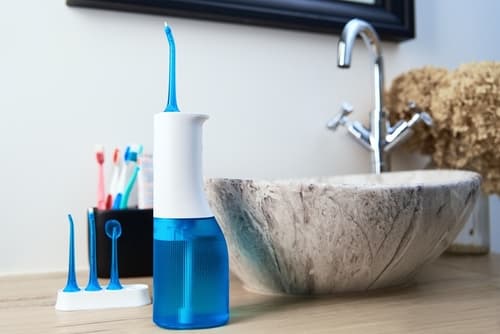 Rinsing and targeted cleaning can remove many particles before they cause irritation. Patients should use methods approved for their restoration and healing stage.
Helpful steps include:
- Rinse gently with water after eating.
- Use a water flosser after the care team confirms it is safe.
- Clean each side of the arch from several directions.
- Check repeat problem areas after fibrous or seed-filled foods.
- Report discomfort, odor, bleeding, or movement promptly.
Professional visits remain important even with excellent home care. Clinical cleaning can reach deposits that daily tools may miss.
Where to find professional All-on-4 dental implants in Lake Elsinore and the surrounding area?
Temecula Dental Implants & Oral Surgery provides personalized full-arch planning for patients with missing or failing teeth. Dr. Dmitry Tsvetov, DDS, MD, is a Fellow of the American Association of Oral and Maxillofacial Surgeons and a board-certified specialist. The practice offers local anesthesia, IV sedation, and general anesthesia for surgical care.
Patients near the Lakeshore Drive Bridge and across Lake Elsinore can receive clear guidance about bridge fit, hygiene access, and long-term follow-up. Schedule a consultation to discuss persistent food trapping or future treatment.