

Guide to Premolar Extraction in Orthodontics
- Premolar extraction is often recommended when crowding, overjet, or jaw-to-tooth size imbalance cannot be corrected predictably with non-extraction methods.
- First premolars are the most commonly removed teeth because they create ideal space for alignment without affecting chewing or facial aesthetics.
- Extraction is safe and effective when properly planned, with minimal impact on facial structure and strong benefits for bite stability and long-term orthodontic results.
- Healing typically takes 1-2 weeks for soft tissue and several months for complete bone recovery, with mild, manageable discomfort in the early days.
- Costs vary based on complexity and anesthesia, but many insurance plans offer coverage when extraction is medically or orthodontically necessary.
Premolar extraction may become necessary during orthodontic treatment when there isn’t enough room in the dental arch to properly align the teeth. Removing premolars can create the space required for tooth movement, improve jaw function, and support long-term bite stability. While the idea of removing teeth can feel intimidating, this procedure is a routine part of orthodontic extractions in Murrieta and is recommended only when it provides a clear benefit.
If your orthodontist has suggested premolar extraction as part of your treatment, you may be wondering why it’s necessary, what the process is like, and how it may affect your overall appearance. This guide explains the most common reasons for premolar extraction, what you can expect during the procedure, and how recovery works.
Why are premolars extracted?
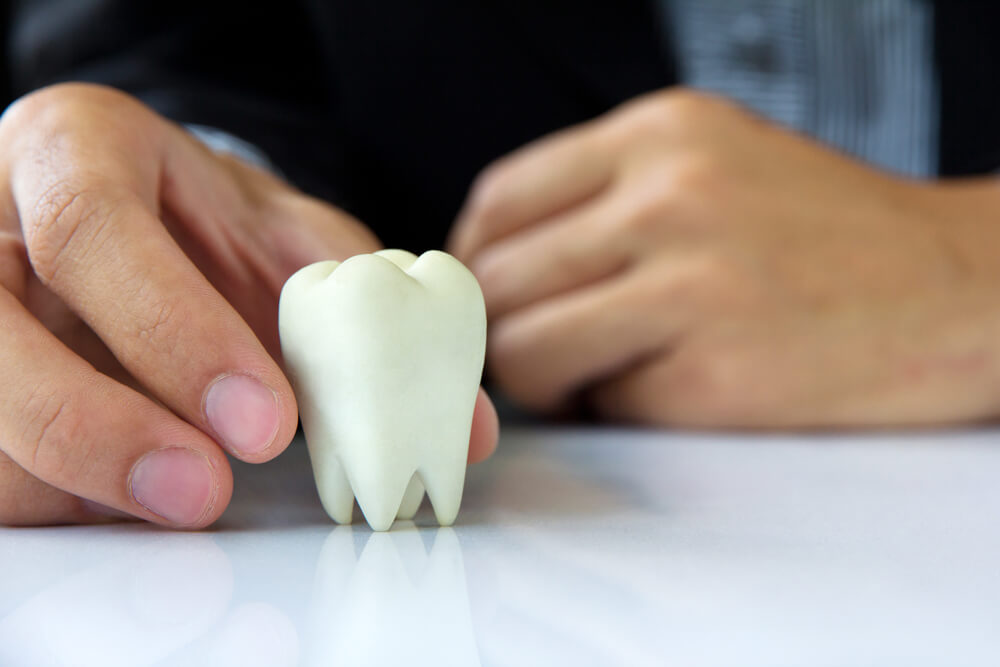
Premolars are removed to create space, fix crowding, improve bite alignment, and correct jaw-to-tooth size imbalance. It is common for an orthodontic treatment to involve orthodontic tooth removal or a serial extraction, especially that of premolars.
Here are the most common reasons premolar extraction becomes necessary:
1. Creating space for crowded or protruding teeth
Sometimes, the only way to properly align crowded teeth is to remove one or more premolars. Without space, orthodontic movement would push the front teeth forward or flare them unnaturally, creating an unstable or unattractive result. This is where dental crowding correction becomes essential.
2. Correcting arch-length discrepancies
An arch-length discrepancy occurs when there is a mismatch between the size of the teeth and the available jawbone. When this imbalance is significant, extraction becomes the most predictable solution.
3. Treating crowding based on age and severity
For younger patients with mild crowding, expansion may be an option. But for older teens and adults, or for more severe cases, extraction is often necessary to correct the bite without compromising facial structure.
4. Reducing excessive overjet
When the upper front teeth stick out too far, orthodontists may need to retract them. Removing first premolars creates the space required to bring the front teeth back into ideal alignment.
5. Improving the axial angulation of front teeth
If the anterior teeth tilt too far forward or backward, premolar extraction enables the orthodontist to reposition them properly.
6. Reducing vertical facial height
In some patients with long-face tendency or open bite issues, extraction can help improve vertical proportions and bite closure.
Quick overview of premolar extraction for orthodontics
| Why premolars are removed | Premolars create space for crowded or protruding teeth, improve bite alignment, and support long-term orthodontic stability. |
| How orthodontists decide on extraction | Specialists compare expansion, reshaping, and space management options before recommending removal as the most predictable treatment path. |
| Which premolars are usually extracted | First premolars are most commonly removed because they provide the ideal balance of space without affecting chewing or facial aesthetics. |
| Possible changes after extraction | Facial changes are typically minimal; when extractions are planned correctly, they often enhance balance and reduce dental protrusion. |
| Procedure & difficulty | Premolars can have curved or multiple roots, but experienced oral surgeons ensure a controlled, low-trauma extraction process. |
| Healing timeline | Most soft-tissue healing occurs within 1-2 weeks, but complete bone healing can take several months. |
| Cost & insurance | Simple extractions average $150-$300 in California; surgical extractions range $300-$600+, often partially covered by insurance. |
How do orthodontists decide whether to extract molars or not?
Orthodontists don’t rely on extraction as the default solution. They compare several treatment paths before recommending removal, relying on detailed orthodontic treatment planning to ensure the best outcome.
Common alternatives to extraction
- Palatal expansion (broadening the upper jaw)
- Interproximal reduction (IPR) (polishing small amounts of enamel)
- Selective reshaping of tooth contours
- Arch development appliances
- Limited crowding acceptance for mild cases
When extraction becomes the better choice
Extraction is recommended when:
- Crowding exceeds 6–7 mm
- Forward tooth angulation would worsen facial profile
- Expansion would make the bite unstable
- The lips already appear protrusive
- The patient has gum recession risk due to dental flaring
- Overjet cannot be corrected predictably without space
Why orthodontists choose premolars specifically
Premolars sit between the front and back teeth, making them ideal for:
- Space redistribution
- Retraction mechanics
- Bite correction
- Minimal impact on chewing and smile aesthetics
Is it bad to have premolars removed?
Living without a premolar is completely possible, and in many cases, extraction improves both function and aesthetics. Although the idea of removing healthy teeth may sound concerning, premolar extraction is a well-established orthodontic technique with decades of successful outcomes.
The key is ensuring the extraction is clinically justified and properly planned.
Potential drawbacks to consider
- Changes in facial structure: With premolar extraction you can notice a subtle face change, particularly if multiple teeth are removed.
- Bite changes: If not done properly, it can alter your bite, causing discomfort or even functional problems.
- Shifting of teeth: Teeth can gradually shift if the space left by the extraction isn’t handled with appropriate orthodontic solutions.
Why extraction is usually safe
- It prevents long-term crowding
- It protects the bite from misalignment
- It supports healthier tooth positioning and jaw function
- It enhances the final orthodontic result
A thorough evaluation with your orthodontist will help you understand whether extraction is necessary or whether alternative approaches such as expansion, interproximal reduction, or limited reshaping may be appropriate.
Which premolars are extracted for orthodontic reasons?
The first premolar teeth are most frequently removed for orthodontic reasons. They sit in a strategic position that allows space to be redistributed throughout the arch without affecting your ability to chew or speak.
Their removal provides optimal room for alignment and bite correction. Extraction patterns can vary depending on whether the patient is also undergoing braces with tooth extraction during treatment.
• All four first premolars
Used for full-arch crowding or major overjet reduction.
• Upper first premolars only
Often recommended when only the upper teeth are protrusive.
• Lower first premolars only
Selected when the lower arch is crowded or misaligned.
• Second premolar extraction
Less common, but used for specific bite conditions.
In rare cases, a surgeon or orthodontist may extract lower incisors or second molars instead, but premolars remain the most predictable teeth to remove for orthodontic goals.
Does premolar extraction change face shape?
It can cause subtle changes, but dramatic alterations are uncommon. Patients often worry that removing premolars will make their face look “sunken” or dramatically different.
While it is possible that any tooth extraction may affect the patient’s facial form and structure, as these teeth are removed along with the roots, and roots are the integral part of it, noticeable changes are rare and typically occur only when too many teeth are removed without proper planning.
Factors that may influence facial changes:
- Amount of crowding corrected
- Degree of retraction required
- Patient’s natural facial profile
- Number of teeth extracted
- Age and skin elasticity
What most patients experience
- Slight improvement in lip support
- Reduction of excessive dental protrusion
- More balanced profile
An experienced orthodontist will carefully evaluate your profile, lip posture, and soft-tissue thickness before recommending extraction to make sure the end result enhances your facial structure instead of diminishing it.
Are premolars hard to extract?
While it is generally difficult to extract a tooth with multiple roots, which may be the case with premolars, and all the more so if these roots are curved, crooked or hook-like, as they often are, an experienced oral surgeon is not likely to encounter challenges during the extraction.
Reasons why premolars can be hard to extract
Premolars sometimes have:
- Two roots
- Roots that curve inward or outward
- Deep anchorage in dense bone
These factors can make removal slightly more challenging than the extraction of a single-root tooth. However, with proper imaging and surgical planning, the procedure is typically straightforward.
Oral surgeons use tools such as:
- Maxillary anatomical forceps
- Elevators for controlled loosening
- Tooth sectioning when necessary
The goal is a clean extraction with minimal trauma to surrounding tissues, reducing healing time and postoperative discomfort. Strategic jaw alignment treatment is often part of the overall planning.
How much space does a premolar extraction create?
One premolar extraction typically creates 6-7 millimeters of space in the dental arch.This is crucial for:
- Correcting significant crowding
- Retracting protrusive front teeth
- Balancing the bite
- Reducing lip strain
Removing all four premolars can create 24-28 mm of usable orthodontic space, which is something no non-extraction method can match.
What are the risks of molar extractions?
Most extractions are routine, but potential complications include:
- Dry socket
- Sinus membrane exposure (upper premolars)
- Root fracture
- Temporary nerve sensitivity (lower premolars)
- Localized infection
- Gum irritation
Your surgeon prevents these risks by using precise imaging and gentle technique.
How much does a premolar extraction cost, and does insurance cover it?
The cost of a premolar extraction depends on the complexity of the procedure, the number of teeth removed, and the type of anesthesia used.
Typical costs depend on:
- Number of premolars being removed
- Whether the extraction is simple or surgical
- Root shape and density
- Sedation or anesthesia required
- Additional imaging (X-rays or CT scans)
Average cost range per premolar in California
- Simple extraction: $150–$300
- Surgical extraction: $300–$600+
Does insurance cover premolar extraction?
Usually, yes. Coverage is most common when:
- The extraction is part of an orthodontic treatment plan
- The premolar is contributing to crowding, bite problems, or jaw discomfort
- The orthodontist or oral surgeon documents medical necessity
Some insurance plans cover the entire fee, while others cover a portion. In cases where the surgeon bills separately from the orthodontist, patients may be responsible for a copay.
What if you don’t have dental insurance?
Many oral surgery practices offer:
- Payment plans
- Third-party financing options
- Bundled orthodontic + extraction packages
This makes treatment accessible even without traditional coverage.
Is premolar extraction painful?
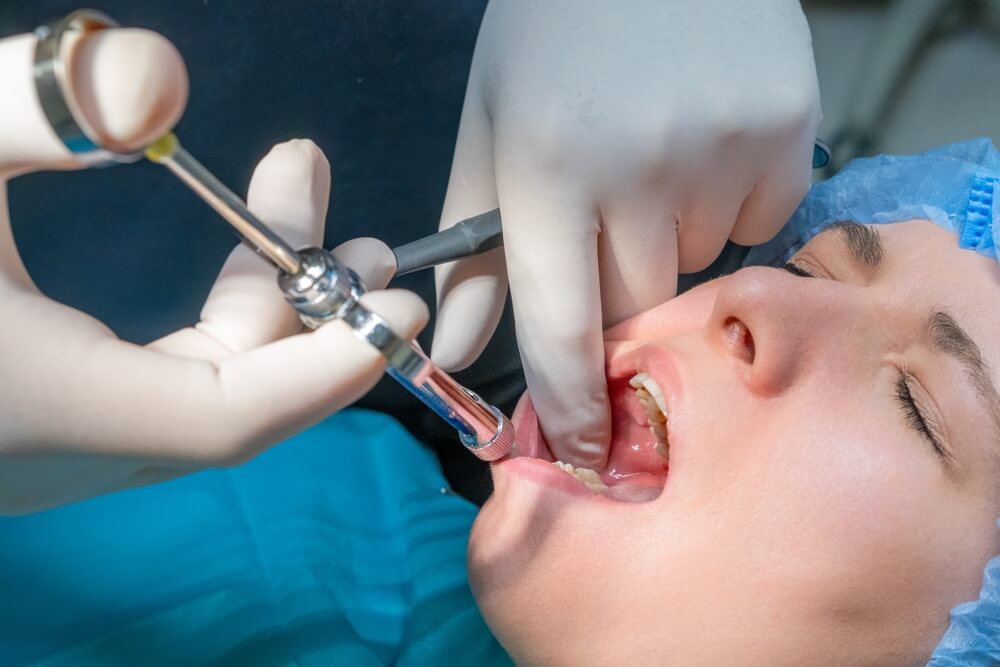
You will not feel pain during the procedure due to modern anesthesia options. Premolar extraction is performed under one or more of the following:
Anesthetic options
- Local anesthesia: Numbs the tooth and surrounding area; ideal for simple extractions.
- Nitrous oxide: Helps reduce anxiety while keeping you awake.
- IV sedation: Allows you to relax or sleep lightly through the procedure.
- General anesthesia: Used for more complex or multiple extractions.
Afterwards, mild soreness is normal for a few days. Proper care helps reduce discomfort and shortens your tooth extraction recovery time.

How long does it take for a premolar extraction to heal?
Recovering from a premolar extraction generally takes about 1 to 2 weeks, but it may take 3 to 4 weeks, or even a few months, for the bone and gums to fully heal.
Here’s a general timeline you should expect:
- First 24-48 hours: You’ll likely experience some swelling and discomfort, and it’s important to let the blood clot form in the socket. During this time, avoid activities like smoking or drinking through a straw to prevent dislodging the clot.
- 3-4 days: Swelling and discomfort begin to subside. Soft tissue starts to heal.
- 1 week: Most of the discomfort will be gone, and the area will be mostly healed, though you may still need to be gentle with the extraction site.
- 2 weeks: The gum tissue around the extraction site is mostly healed.
- 3-4 weeks: The bone continues to heal, but full bone recovery can take a few months
Allow us to be your safety net: risk-free orthodontic extractions in Murrieta
At Temecula Dental Implants & Oral Surgery, your wellbeing and satisfaction is what matters most. From the moment you begin orthodontic treatment planning to the completion of your orthodontic procedure, we ensure you are fully informed and comfortable every step of the way.
If a premolar extraction is crucial to the outcome of your orthodontic procedure, we will make sure everything goes smoothly and with minimum discomfort. Find out why patients across Murrieta, Temecula and other areas in the vicinity put their trust in us. For more information, contact us now.