

Top Tips on Dental Implant Cleaning
- Cleaning dental implants properly is essential for preventing gum inflammation and bone loss that can lead to implant failure.
- Implant cleaning differs from natural tooth care because you must protect the gums and bone seal around the implant, not the implant body itself.
- Daily routines should include gentle brushing along the gumline, interdental cleaning between teeth and implants, and consistent technique with non-abrasive tools.
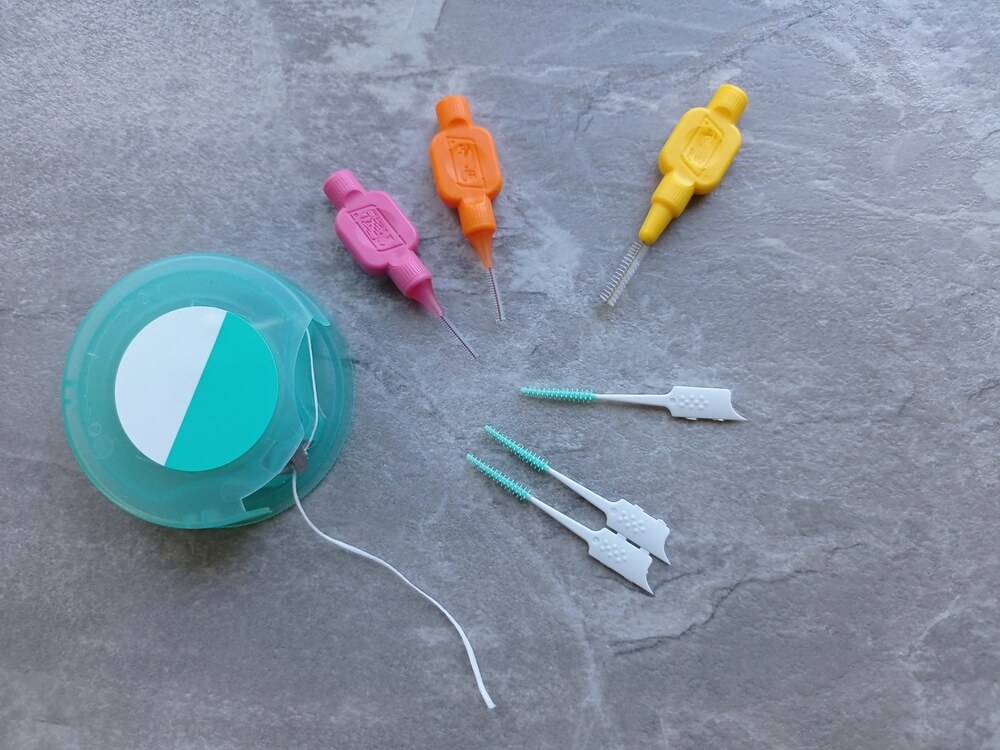
- Specialized floss, interdental brushes, and water flossers help remove plaque in tight spaces and under bridges or full-arch prostheses.
- Professional implant maintenance every three to six months strengthens long-term success by removing tartar and monitoring gum and bone health.
To ensure the proper healing of your dental implants and eliminate the risk of any complications, you need to practice good oral hygiene. This entails cleaning your dental implants regularly and in the correct way.
After undergoing the dental implant procedure in Temecula, your oral surgeon will give you advice on caring for your implants after the surgery. All dental implants specialists advise practicing proper oral hygiene and giving up some damaging habits such as smoking.
As for adequate cleaning practices, getting informed and following your doctor’s advice will help you speed up the healing process for your dental implants and ensure excellent dental health.
To make it practical, we break down cleaning into stages and routines you can stick with. The same principles of dental implant cleaning apply whether you have a single crown, several implants, or a full-arch restoration.
Why does cleaning matter so much for dental implants?
Cleaning around implants prevents inflammation of the gums and bone loss that can lead to implant failure. Dental implants are titanium posts placed in the jawbone to replace tooth roots and support crowns, bridges, or dentures. The implant itself does not get cavities, but the tissues around it can still get inflamed or infected if plaque sits at the gumline.
When plaque is left in place, the gums may become tender, bleed, or swell. That early irritation around the implant is often the first sign of gum inflammation around dental implants. If nothing changes, the inflammation can spread deeper and begin to affect the bone.
Good implant hygiene keeps that process from ever getting started. The cleaner the gumline is around the implant, the calmer and more stable the surrounding tissues remain.
What makes implant cleaning different from natural teeth cleaning?
The main difference is that you are protecting the gums and bone, not the implant body itself. Natural teeth are held in place by a ligament. Implants, on the other hand, are fused directly to the bone, so the soft tissue around them plays a huge role in keeping bacteria out. Scratches on the crown or roughness at the gumline can attract more plaque.
Implant crowns and bridges are also shaped a bit differently than natural teeth. There may be small ledges or contours that trap food. That is why cleaning around implants requires a bit more precision than just brushing “wherever feels right.”
Once your technique is dialed in, your daily implant cleaning routine starts to feel just as automatic as brushing your natural teeth.
How to clean dental implants every day at home?
You will get the best results if you follow the same basic sequence morning and night, with gentle pressure and enough time.
Daily brushing sequence for implants
Use this simple structure:
-
Rinse with water first
Swish water to loosen food and soften plaque.
-
Brush for two full minutes
Use a soft manual or electric brush. Focus on all surfaces, not just the front.
-
Angle the bristles at the gumline
Tilt the brush about 45 degrees toward the gums so the tips reach where the crown meets the tissue.
-
Clean every surface of the crown
Brush the front, back, and chewing surface slowly, with small circular motions.
-
Sweep away from the gumline
After loosening plaque along the gumline, sweep the bristles away from the gums to move debris out.
These steps are a core part of effective dental implant home care and reduce the chance that bacteria will sit undisturbed at the implant collar.
How to clean between teeth and around implants
Cleaning between teeth and implants is just as important as brushing because plaque loves tight spaces and contact points. Daily interdental cleaning is one of the most powerful tools for peri-implantitis prevention. If you skip this step, plaque can build up between the implant and neighboring teeth, even when your brushing appears to be good.
Common tools for between-teeth cleaning include:
- Implant-safe floss or super floss
- Floss threaders to get under a bridge
- Interdental brushes sized to slide comfortably between contacts
- Water flossers for extra flushing power
The best method is usually the one you will actually do every day. The goal is to gently clean the sides of the implant crown and adjacent teeth without snapping anything into the gum.
What tools are best for implant hygiene?
The best tools are those that remove plaque effectively while being gentle on gums and implant surfaces.
Your basic kit of implant cleaning tools should usually include:
- A soft-bristled manual or electric toothbrush
- A low-abrasion, non-whitening toothpaste
- Regular floss, implant floss, or floss threaders
- Interdental brushes (proper size matters)
- A water flosser if you like extra flushing under bridges
- An alcohol-free mouthwash if recommended
Together, these tools support consistent implant hygiene without making your routine complicated or uncomfortable.
How to clean full-arch and bridge restorations
Implant-supported bridges and full-arch prostheses require a few extra steps because food can get trapped underneath the prosthesis, not just between teeth. When you have more complex restorations, cleaning around implants becomes more about angles and access than force. You use the same principles, just with a few added moves.
Step-by-step routine for bridges and full-arch cases
-
Brush along the gumline
Clean where the bridge or arch meets your gums with small circular motions.
-
Use a floss threader or super floss
Thread floss under the bridge, pull it through, and glide it along the undersurface.
-
Add a water flosser pass
Aim the stream under the bridge from different angles to wash out trapped food.
-
Use an interdental brush where it fits
Gently wiggle the brush in and out under the prosthesis, never forcing it.
-
Rinse thoroughly
Finish with a good rinse to carry away anything you loosened.
Once you have done this a few times, the sequence becomes part of your daily implant cleaning routine, especially if you pair it with the same time of day and order of steps.
What should you avoid while cleaning implants?
There are a few things that can harm your gums or restorations even if your intentions are good. Common mistakes you want to avoid include:
- Scrubbing hard at the gumline as if you are “scraping”
- Using metal picks or sharp objects at home
- Brushing with gritty whitening toothpaste
- Pressing an electric toothbrush too firmly
- Snapping floss down into the gums instead of gliding it
These habits can irritate delicate tissue, contribute to gum inflammation around dental implants, or scratch restoration surfaces so plaque sticks more easily.
When should you start cleaning after implant surgery?
You should start cleaning the rest of your mouth right away and the implant area itself when your surgeon tells you it is safe.
In the first days, the focus is on leaving the surgical site undisturbed while still keeping nearby teeth clean. This supports healing and avoids disturbing the clot or sutured tissue. Your surgeon will gradually transition you into more direct brushing and flossing around the implant as it stabilizes.
What does early post-surgery cleaning look like?
Early post-surgery care is all about gentle protection and following instructions closely.
Typical guidelines include:
- Brushing other teeth carefully with a soft brush
- Avoiding direct brushing over the implant site at first
- Rinsing lightly with prescribed or saltwater rinses after 24 hours
- Not spitting forcefully or using straws
- Avoiding smoking and vaping entirely
- Taking medications as directed
This conservative approach makes later professional implant maintenance more straightforward because the tissues heal with less irritation and better contour.
What are normal healing signs during early cleaning?
Normal healing usually shows steady improvement, not sudden worsening. You may notice:
- Mild bleeding that stops quickly
- Soreness that improves day by day
- Swelling that peaks early and then goes down
- Gradual ease when chewing on the opposite side
- Gums that look less red and more pink over time
These are all typical stages in implant recovery and early dental implant home care.
What warning signs mean something might be wrong?
Increasing pain, swelling, or mobility are not part of normal healing and should be checked quickly. Call your dentist or oral surgeon if you notice:
- Swelling that keeps getting worse
- Pain that spikes after it had started to improve
- Bleeding that is hard to control
- Bad taste, odor, or pus from the area
- A feeling that the implant or crown is moving
The sooner you address these signs, the easier it is to protect the bone and gum around the implant.
How implant care changes from healing to long-term maintenance
Implant care starts gently right after surgery and eventually becomes a stable long-term routine, similar to caring for natural teeth but with a bit more strategy. In the beginning, your focus is on avoiding irritation. Later, your focus shifts to staying consistent and making sure your cleaning angles reach every surface.
What does long-term implant care look like?
Long-term care is about small, daily habits and steady professional support, not dramatic treatment.
You will keep brushing and flossing much like you did before, but with more focus on the gumline, under bridges, and areas where food tends to get trapped. You will also keep a regular schedule of professional implant maintenance visits.
In a typical week, your home routine might include:
- Morning and night brushing around every implant crown
- Interdental cleaning at least once a day
- Water flossing if you have bridges or full-arch work
- Occasional check-in with your dentist about tool selection
p>These habits, combined with the right implant cleaning tools, keep plaque under control and tissues stable.
How often should you have professional maintenance visits?
Most patients benefit from seeing their dentist or specialist every three to six months for implant evaluation and cleaning. People with a history of gum disease, diabetes, multiple implants, or past bone loss may need more frequent visits.
At each appointment, the team evaluates gum health, checks bone levels on X-rays when needed, and gently removes hardened deposits. These appointments are the backbone of long-term peri-implantitis prevention and help catch early changes before they become serious problems.

What happens during a professional implant cleaning?
Professional cleanings around implants are designed to be thorough but gentle. During a typical visit, your dentist or hygienist will:
- Ask about any discomfort or changes you have noticed
- Examine the gums for redness, swelling, or bleeding
- Measure gum pockets around the implant if needed
- Take X-rays periodically to monitor bone levels
- Remove plaque and tartar with implant-safe instruments
- Polish the crown or bridge without scratching it
- Review or refine your home-care technique
This is where your oral hygiene tools and routines get fine-tuned based on what your dental team sees.
How do lifestyle factors affect implant cleaning and healing?
Lifestyle choices can make implant routines easier or harder to maintain.
Smoking, uncontrolled diabetes, and poor sleep can all affect how your body heals and how stable your tissues are. Frequent snacking, especially on sugary or sticky foods, makes plaque more likely to accumulate between brushing sessions.
On the positive side, choosing a realistic routine you can stick to, staying hydrated, and eating balanced meals supports healthy tissue and gum resilience. Those habits help make your daily implant cleaning routine more effective.

Planning your long-term implant care routine
A strong maintenance plan keeps implants stable for decades. Even if you have excellent brushing habits, plaque still forms naturally throughout the day and can hide under implant prostheses. Planning ahead helps you stay ahead of buildup.
Here’s a helpful way to plan for success:
Daily habits
- Brush gently along the gumline morning and night
- Use interdental brushes or floss once daily
- Use a water flosser under bridges or full-arch work
- Drink water frequently to stay hydrated
These steps reinforce implant hygiene every day.
Monthly habits
- Check for visible inflammation or food traps
- Replace worn brush heads
- Review your routine and adjust if something feels difficult
Professional follow-ups
- Schedule cleanings every 3–6 months
- Ask about bone health and stability at each visit
- Review home techniques with your hygiene team
A balanced mix of home routine and professional implant maintenance gives your dental implant the strongest foundation for long-term success.
Daily and long-term dental implant cleaning comparison table
|
Phase |
What to do |
Why it matters |
|
First 1-2 weeks |
Gentle cleaning, avoid direct pressure |
Protect early healing and prevent irritation |
|
First months |
Introduce full brushing and interdental tools |
Support gum sealing and bone stability |
|
Long term |
Maintain daily routine + regular checkups |
Strengthen gum and bone health for decades |

Schedule a consultation with one of Temecula’s most trusted dental implants specialists & learn all about dental implant cleaning
If you want to go through the dental implant process without any anxiety and fear, schedule a consultation at Temecula Dental Implants & Oral Surgery with Dr. Tsvetov, one of the leading dental specialists in Temecula and beyond. Dr. Tsvetov will guide you through this process and provide you with all the information you need. He has vast experience and expert knowledge in the field, so he can ensure the durability of your dental implants.
Feel free to visit our office that’s located in Temecula for your free dental implant consultation. During your appointment, you can also discuss the approximate cost of dental implants and possible payment options. Contact us today!