

How Teeth Grinding Can Affect Dental Implants
Key Takeaways:
|
Waking with a tired jaw or learning that you clench during sleep can create new concerns when you are considering implant-supported teeth. Repetitive pressure can affect restorations, screws, and the way biting forces travel through the jaw.
It does not automatically prevent treatment, though it does require careful planning and follow-up. Anyone researching All-on-4 in Lake Elsinore is better off mentioning the habit at the first consultation, where a specialist can explain how implant-supported plans adapt to a patient who grinds their teeth. Read on for the risks, warning signs, and protective steps worth discussing.
Can teeth grinding damage implant-supported restorations?
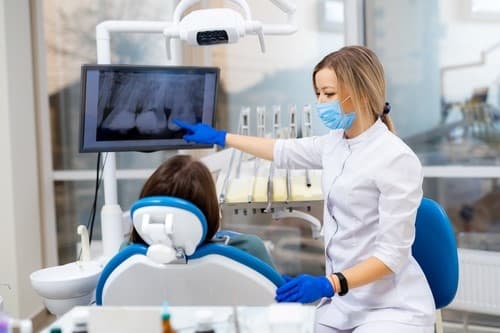 Yes, repeated clenching or grinding can place additional stress across an implant-supported restoration. The level of risk varies with force, frequency, bridge design, bone support, and maintenance.
Why the pressure behaves differently
Natural roots have a periodontal ligament that provides slight cushioning. An osseointegrated post connects more rigidly with the surrounding bone, so heavy pressure can reach the restoration and its components more directly.
Research examining bruxism and dental implants associates the habit with a higher likelihood of mechanical complications and implant loss. The evidence does not predict the same outcome for every patient.
Repeated overload may contribute to:
- Chipping or fracture within the visible restoration
- Loosening or wear of prosthetic screws
- Changes in the bite as components shift or surfaces wear
- Soreness in the jaw muscles after sleep
- Accelerated full-arch bridge wear
What signs can suggest excessive biting pressure?
Common clues include morning jaw fatigue, headaches, damaged restoration surfaces, and a bite that suddenly feels different. Some people remain unaware of the habit until a clinician notices wear.
The signs and symptoms of bruxism can also include chipped teeth, facial discomfort, sensitivity, and tight jaw muscles. A partner may hear grinding during sleep.
Changes around the restoration deserve attention
Contact the treating office when a bridge feels loose, produces clicking, develops a sharp edge, or no longer meets evenly. Persistent tenderness during chewing also deserves assessment.
Early implant bite protection may involve a bite review, repair, polishing, or adjustment. A clinician should determine the cause before changing the restoration.
Irritation beneath a fixed bridge can have several causes. Learning why food sometimes collects beneath a fixed bridge may help patients describe whether discomfort appears linked to hygiene, pressure, or both.
Does bruxism prevent someone from receiving implants?
No, a grinding habit does not automatically make someone ineligible. A specialist must assess its severity alongside bone quality, oral health, medical history, and restoration design.
A discussion about bruxism and dental implants should cover when the habit occurs, which symptoms appear, and whether previous crowns or appliances have fractured. These details help the care team estimate mechanical risk.
Other health factors can change timing
Some circumstances require postponement or additional coordination. Patients should share medications, sleep concerns, pregnancy status, tobacco use, and conditions that may affect healing.
Related decisions can include how pregnancy or breastfeeding can affect treatment timing and what must heal before replacing an infected tooth. Each situation requires individualized guidance from appropriate medical and oral-health professionals.
How can treatment planning reduce grinding-related risk?
Detailed planning can distribute force more evenly and identify vulnerable areas before treatment begins. Imaging, bite records, post positioning, bridge design, and material selection can shape the final plan.
A provider may consider:
- Bite balance: Contacts should receive review during temporary and final restorative phases.
- Restoration design: Shape, thickness, support, and cantilever length can influence stress distribution.
- Material choice: Different bridge materials have distinct wear and repair characteristics.
- Follow-up schedule: Regular checks can identify small mechanical changes before extensive damage develops.
Good implant bite protection also depends upon identifying strong contact points and parafunctional habits. The plan may need revision as muscles, healing tissues, and the bite adapt.
Monitoring full-arch bridge wear gives the team useful information about force patterns. Polished areas, small chips, or uneven contact may reveal where pressure concentrates.
Can a night guard protect implant-supported teeth?
A custom appliance may help protect the restoration by separating biting surfaces and reducing direct damage during sleep. It should fit the completed bridge accurately and receive professional adjustment.
A nighttime grinding guard does not cure every cause of clenching. Its main role is physical protection, and some patients may also need help addressing stress, sleep concerns, or medication-related factors.
Store-bought appliances may fit poorly
Generic guards can feel bulky and may create uneven contacts. A custom design allows the clinician to check how the opposing arch meets the appliance.
Patients should bring the appliance to review visits. Wear marks, cracks, and fit changes can provide clues about the strength and direction of pressure.
What habits and follow-up steps can help?
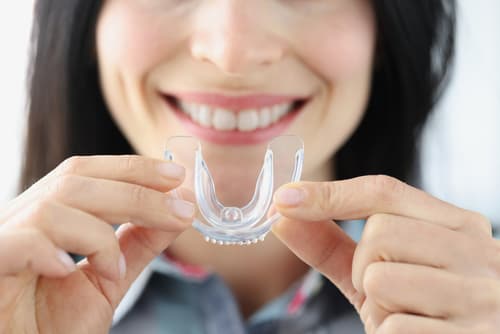 Consistent monitoring and simple habit changes can reduce avoidable strain. Patients should follow their clinician’s instructions for diet, hygiene, appliance use, and review visits.
Helpful steps may include:
- Keep the jaw relaxed during waking hours, with the upper and lower teeth separated.
- Avoid chewing ice, pens, or other hard objects.
- Discuss stress-reduction methods when tension increases daytime clenching.
- Report cracks, movement, discomfort, or bite changes promptly.
- Clean the bridge and any protective appliance as directed.
A nighttime grinding guard should receive periodic checks for fit and damage. The restoration may also require professional cleaning, screw evaluation, and bite assessment.
Where to find reliable All-on-4 in Lake Elsinore and the surrounding area?
Temecula Dental Implants & Oral Surgery provides individualized full-arch planning for patients with worn, missing, or failing teeth. Dr. Dmitry Tsvetov, DDS, MD, is a Fellow of the American Association of Oral and Maxillofacial Surgeons and a Diplomate of the American Board of Oral and Maxillofacial Surgery.
The practice offers advanced imaging, several anesthesia choices, and coordinated surgical care. Patients who live close to the Lake Elsinore Diamond Stadium or elsewhere in Lake Elsinore can discuss grinding concerns during a case-specific consultation. Schedule an appointment today!