

7 Warning Signs You May Need Wisdom Teeth Extraction
- Wisdom tooth symptoms like pain, swelling, jaw stiffness, and bad breath are strong signs that extraction may be needed.
- X-rays can reveal hidden problems such as impaction, cysts, decay, or bone loss even when no symptoms are present.
- Removing wisdom teeth in the late teens or early twenties leads to easier surgery and faster recovery.
- Patients can choose from several sedation options, including local anesthesia, nitrous oxide, IV sedation, and general anesthesia.
- Proper aftercare, including protecting the blood clot and eating soft foods, is essential for fast healing and preventing dry socket.
Wisdom teeth are the final set of molars to develop, typically appearing between ages 17 and 25. For some people, they erupt normally and cause little to no trouble. But for the vast majority, there simply isn’t enough room for these late-arriving teeth to grow in properly. When that happens, wisdom teeth can become painful, infected, or impacted, so early removal becomes the best choice for protecting your oral health.
But are there any telltale signs that you need wisdom teeth extraction? With the help of an experienced wisdom teeth removal specialist in Murrieta, you can find out this and more. This comprehensive guide covers the 7 biggest warning signs that it’s time for extraction, why wisdom teeth cause these problems, what to expect during removal, how recovery works, and when to see a specialist.
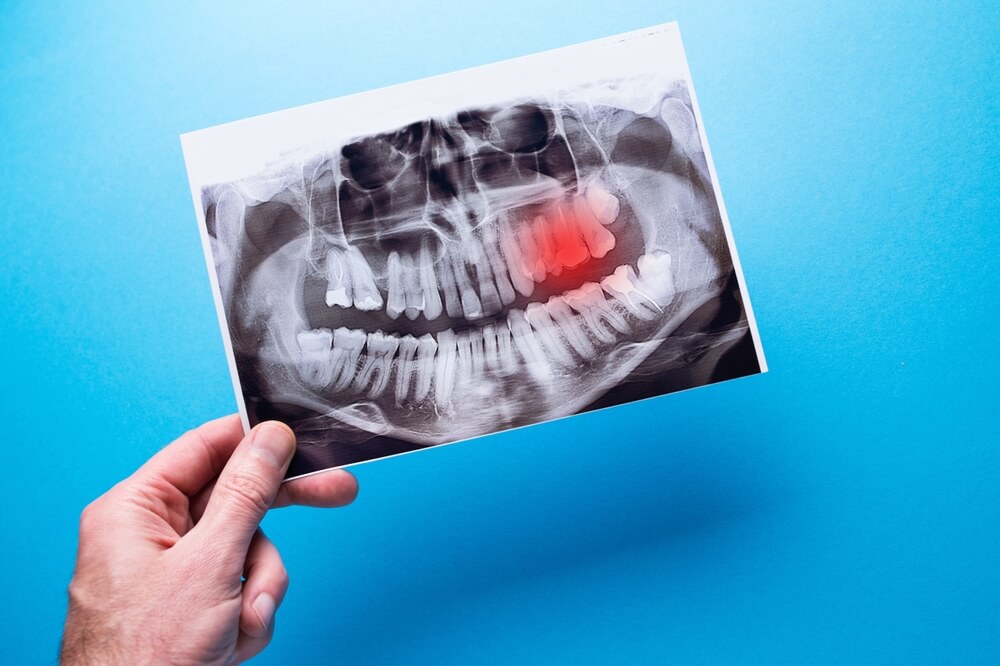
What are wisdom teeth and why do they cause problems?
Wisdom teeth, also known as third molars, are the very last teeth to erupt in the mouth. Most adults develop between one and four of them, though some people never develop wisdom teeth at all.
The main issue is that most jaws simply aren’t big enough to accommodate another set of large molars. Because they erupt so late, long after your other teeth have settled into position, wisdom teeth often:
- Get stuck beneath the gums (impacted wisdom teeth)
- Grow sideways or at an angle
- Push against neighboring teeth
- Create hard-to-clean areas that trap bacteria
- Cause repeated gum infections
- Form cysts or damage the jawbone
Even if your wisdom teeth aren’t causing pain yet, they may still be creating problems that only appear on X-rays. That’s why proactive evaluation is so important.
How do I tell my wisdom teeth need to be pulled?
| Category | Details |
|---|---|
| Common symptoms | Pain, swelling, jaw stiffness, bad breath, and pressure in the back of your mouth often signal developing wisdom tooth complications. |
| Hidden problems | Even without symptoms, X-rays may reveal impaction, cysts, bone loss, or decay affecting nearby teeth. |
| When to remove | Dentists suggest extraction when wisdom teeth cause pain, infection, crowding, or structural damage, or show signs they’ll cause problems soon. |
| What to expect | Extraction typically takes 30-60 minutes using local anesthesia or sedation. Most patients feel pressure but no pain. |
| Recovery basics | Rest, ice packs, soft foods, and avoiding sucking motions help prevent complications. Most people feel better within a few days. |
| Cost factors | Pricing depends on impaction level, sedation type, and number of teeth. Insurance and financing options can significantly reduce out-of-pocket costs. |

Now, let’s go more in-depth on the warning signs.
1. Persistent pain or pressure in the back of your mouth
Ongoing discomfort in the back of your jaw is one of the most common early warning signs of trouble. The pain may be like:
- A dull ache
- Pressure that comes and goes
- A sharp twinge when chewing
- Pain radiating toward your ear or temple
This happens when the wisdom tooth is pushing against bone, nerves, or nearby teeth, or when it’s trapped under the gum line. Wisdom tooth pain that keeps returning typically means impaction is developing.
2. Swollen, red, or inflamed gums around the wisdom tooth
When a wisdom tooth partially erupts, it often creates a small flap of gum tissue called an operculum. This flap traps food and bacteria, leading to:
- Redness
- Swelling
- Bleeding
- Tenderness
- A bad taste in the mouth
This condition, known as pericoronitis, tends to flare up repeatedly until the tooth is removed. Over time, the irritation becomes more difficult to manage and increasingly uncomfortable, especially when swollen gums around wisdom teeth make brushing or chewing painful.
3. Jaw stiffness or difficulty opening your mouth
If you notice soreness when you open wide to yawn, chew, or talk, your wisdom teeth may be to blame. Impacted third molars can place pressure on the jaw joint and surrounding tissues, making simple movements uncomfortable.
You may experience:
- Tightness
- Difficulty biting down
- A clicking or locked feeling in the jaw
- Pain that worsens after sleeping or eating
These symptoms often indicate underlying inflammation or a developing wisdom tooth infection, particularly when bacteria become trapped around a partially erupted tooth.

4. Overcrowding or shifting teeth
When wisdom teeth begin to erupt into limited space, they often push neighboring teeth out of alignment. You may notice:
- Your front teeth becoming crooked
- Teeth feeling tighter together
- Overlapping or crowding
- Bite changes
- Orthodontic relapse after braces
Wisdom teeth pressure doesn’t just affect aesthetics, it can also change how your bite fits together and create long-term stability issues.
5. Bad breath or a bad taste that won’t go away
Chronic bad breath is a surprisingly common sign of wisdom teeth trouble. Because the area behind your second molars is so difficult to clean, food and bacteria tend to accumulate around poorly erupted or partially impacted wisdom teeth.
You may notice:
- A foul taste in the mouth
- Persistent bad breath
- Swelling or discharge from the gums
- Frequent infections
Even excellent brushing and flossing won’t fix the problem because the issue originates deep under the gum tissue.
6. Sinus pressure, headaches, or congestion
The roots of upper wisdom teeth sit close to the sinus cavities. As these teeth grow, they may irritate or press against the sinus lining, causing:
- Sinus pressure
- Headache behind the cheeks or eyes
- Congestion
- Ear pressure
- Post-nasal drip
In some cases, an infected wisdom tooth can even contribute to a sinus infection. When dental issues begin to trigger sinus symptoms, removal is strongly recommended because upper impacted wisdom teeth can worsen sinus discomfort over time.
7. Damage to nearby teeth or cysts visible on X-ray
You may have no noticeable symptoms at all, yet the wisdom teeth are already causing significant damage beneath the gums.
X-rays or 3D scans may reveal:
- Cavities forming on the back of the second molars
- Bone loss caused by impacted teeth
- Infection or decay around the wisdom tooth
- Cysts (fluid-filled sacs) developing near the roots
- Rare but serious tumors caused by untreated cysts
If imaging shows these changes, it’s often safer to remove the wisdom teeth before further damage occurs.

How do oral surgeons decide if wisdom teeth need removal?
Even if you’re not experiencing pain, your dental provider may still recommend wisdom teeth extraction based on clinical exam and imaging.
1. Clinical evaluation
Your dentist or oral surgeon will look for:
- Gum inflammation
- Signs of infection
- Overcrowding or shifting teeth
- Jaw tenderness
- Limited range of motion
2. X-rays and 3D scanning
These allow your provider to evaluate:
- Angle and position of wisdom teeth
- Root development
- Presence of cysts or decay
- The tooth’s relationship to nerves and sinuses
3. Assessing future risk
If the teeth are likely to cause worsening symptoms or wisdom tooth pain in the future, removal is typically recommended.
Why is it often good to remove wisdom teeth early?
As you age, deeper roots and denser bone make removal more complex. This is why getting your wisdom teeth extracted during your teens or early twenties generally leads to the smoothest experience. At this age:
- Roots are shorter
- Jawbone is softer
- Healing is faster
- Risk of complications is lower
- Surgery is easier and safer
Patients in their 30s, 40s, and beyond can still safely undergo treatment but often require more detailed planning, especially when recurrent issues with swollen gums around wisdom teeth or other complications have already developed.
What can I expect before wisdom tooth extraction?
Most patients begin with a referral to an oral surgeon.
What your consultation includes
- A medical history review
- A discussion of symptoms
- A 3D scan (if needed)
- Sedation options
- A personalized treatment plan
Questions you may want to ask during your consultation
- Do all my wisdom teeth need to be removed?
- Which sedation option is best for me?
- How long will surgery take?
- What is the expected recovery time?
- Are there risks specific to my case?
Having this conversation upfront helps you feel comfortable and prepared on surgery day.
What sedative is used for wisdom tooth extraction?
The most commonly used options are local anesthesia, nitrous oxide, IV sedation, and general anesthesia. One of the most reassuring parts of modern oral surgery is how comfortable it is. Let’s take a look at how each type of anesthesia works:
1. Local anesthesia
The area is numbed, and you remain fully awake. Best for simple extractions.
2. Nitrous oxide (laughing gas)
Used with local anesthesia to help you relax. Light sedation that wears off quickly.
3. IV sedation
A deeper level of relaxation that allows you to sleep comfortably through the procedure. Most patients prefer this option.
4. General anesthesia
You are fully asleep during the surgery. Often recommended for complex or multiple impactions.
How long does a wisdom tooth extraction take?
Most wisdom teeth extractions take 30-60 minutes. Here’s what you can expect:
Steps of wisdom teeth surgery
- Sedation is administered
- Local anesthesia is applied
- A small incision is made if the tooth is impacted
- Bone may be gently removed for access
- The tooth is extracted (sometimes in sections)
- The area is cleaned thoroughly
- Dissolvable stitches are placed
- Gauze is used to help a blood clot form
Most patients feel no pain during surgery and rest comfortably through the entire procedure.
How much does it cost to get wisdom teeth removed?
The cost of wisdom teeth removal can vary widely from patient to patient. Pricing varies based on several key factors, including:
- Number of teeth removed
- Level of impaction
- Sedation type
- Complexity of surgery
Typical pricing for wisdom teeth removal
- Simple extraction: lower cost
- Impacted removal: higher cost
- IV or general anesthesia: additional cost
Insurance may cover part or all of the procedure. Patients without insurance often use financing or payment plans, especially when treating an existing wisdom tooth infection that requires urgent care. Pricing also varies when complications make the extraction more complex.
How to heal wisdom teeth removal quicker?
You can speed up your wisdom tooth recovery by protecting the blood clot, resting properly, eating soft foods, and following strict oral hygiene instructions. Most patients feel significantly better within 3-4 days, and you can support faster healing by following these essentials:
1. First 24 hours
- Bite gently on the gauze
- Apply ice packs
- Rest with your head elevated
- Avoid strenuous activity
2. Avoid dry socket
Dry socket occurs when the blood clot becomes dislodged, exposing bone and causing intense pain. Avoid for at least a week:
- Straws
- Smoking or vaping
- Spitting forcefully
- Carbonated drinks
- Alcohol
Protecting the clot lowers your risk of getting a dry socket after wisdom teeth removal. If you experience sudden, intense pain after initial improvement, call your surgeon immediately.
3. What to eat
Stick to soft foods for several days:
- Yogurt
- Mashed potatoes
- Smoothies (spoon only, no straw)
- Soups
- Scrambled eggs
- Pasta
- Applesauce
Avoid crunchy, spicy, or chewy foods for 1-2 weeks.
4. Oral hygiene
- Don’t brush for the first 24 hours
- After that, brush gently
- Use warm saltwater rinses several times a day
5. When to call your surgeon
- Severe pain after 2-3 days
- Fever or chills
- Pus or foul taste
- Persistent bleeding
- Numbness lasting longer than expected
How do I find a dependable wisdom teeth removal specialist in Murrieta?
Dr. Dmitry Tsvetov at Temecula Facial Oral Surgery is a leading authority in wisdom teeth removal in Murrieta and the surrounding communities of Riverside County. Schedule your initial consultation to learn more about common problems associated with impacted third molars, as well as potential side effects of wisdom teeth removal. As part of our commitment to your comfort, we’ll check in with you throughout the procedure to ensure that you feel comfortable and at ease. Contact us today!