

What to Expect During Subperiosteal Implant Treatment
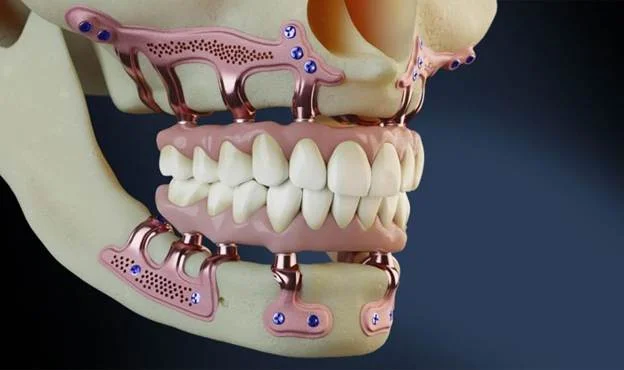
Subperiosteal implants are a highly effective solution for patients who lack sufficient jawbone to support traditional dental implants. These implants rest on top of the jawbone under the gum tissue, making them ideal for patients who have experienced significant bone loss due to periodontal disease, injury, or other factors. If you’re considering subperiosteal dental implants in Temecula, it’s important to understand the treatment process in full, from the initial consultation through post-treatment care.
Being well-informed about the steps involved will not only help ease any anxiety but also enable you to take an active role in your recovery. In this blog, we’ll guide you through the subperiosteal implant procedure steps, so you know exactly what to expect during your treatment process, ensuring a smooth and successful experience. By understanding each phase, you’ll feel confident every step of the way and can look forward to restored function and aesthetics.
What is the subperiosteal implant procedure like?
Undergoing subperiosteal implant treatment is an exciting step toward restoring a confident smile and improving your quality of life. Here’s how the process usually works, so you can feel more confident and prepared for each phase of the treatment.
1. Initial consultation & evaluation
The first step is always an in-depth subperiosteal implant consultation process with our oral surgeon. Our maxillofacial specialist will evaluate your jaw structure, discuss your medical history, and review any potential risks. Advanced imaging tools, such as 3D scans, will be used to create a patient-specific plan, ensuring the implant is precisely tailored to your needs. We will also address any concerns you may have to provide peace of mind and ensure that you are fully prepared for the procedure ahead.
During this consultation, your surgeon will also take the time to explain the entire treatment plan in detail, including the expected dental implant treatment timeline and the various steps involved. This allows you to ask questions and feel fully informed before moving forward.
What happens during the consultation:
- Detailed examination of your mouth and jaw.
- Discussion of medical history and dental goals.
- 3D imaging to design a customized implant.
- Explanation of anesthesia for implant surgery and post-surgery care.
2. Preparing for surgery
Once the consultation is complete and you’ve been cleared for surgery, the next step is preparing for the procedure. This phase is crucial to ensure that everything goes smoothly on the day of your surgery. Our team will provide clear instructions regarding what to do before the operation, including dietary restrictions, medication guidelines, and any necessary pre-operative testing.
Proper preparation is key to minimizing complications during the surgery. It’s important to follow all the guidelines provided by our surgeon to ensure your body is in the best condition to handle the procedure. We will also outline your choice of anesthesia for implant surgery and help you pick the right option based on your comfort level.
What to expect during preparation:
- Avoid eating or drinking for several hours before surgery (typically 6-12 hours).
- Follow any prescribed medication instructions, including antibiotics to prevent infection.
- Make sure someone is available to drive you home after the procedure if you will be receiving sedation or general anesthesia.
- Prepare your home for recovery by having a quiet space, over-the-counter pain medication, and soft foods available for the first few days.
3. The surgical procedure
Once our surgeon has developed a treatment plan and you’ve discussed all aspects of the procedure, it’s time to schedule the surgery. Subperiosteal implants are typically placed under local anesthesia or sedation, depending on your preference. The surgery itself involves making a small incision in the gum to expose the underlying bone, where the implant will rest on top of the jawbone.
This procedure is generally considered to be minimally invasive, as it does not require a large incision. The use of 3D printing ensures that the fit is precise and tailored specifically to your jaw, which can help reduce recovery time and minimize complications.
What to expect during surgery:
- Anesthesia to ensure comfort throughout the procedure.
- Small incisions in the gum to expose the bone.
- The 3D printed subperiosteal implant is carefully placed.
- The gums are sutured to promote healing.
4. Post-surgery recovery & aftercare
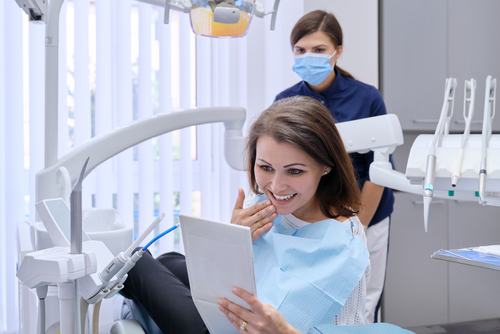
Since subperiosteal implants don’t have to fuse with the jawbone as traditional implants do, the recovery time is often shorter. However, you’ll still need to follow post-surgery care instructions to ensure proper healing and avoid complications. The first few days may be uncomfortable, but prescribed pain medications will help manage any discomfort.
It’s normal to experience some swelling, bruising, and tenderness, which can be alleviated with ice packs and over-the-counter pain relievers. During the post-operative care for subperiosteal implants, our surgeon will monitor your healing to make sure there are no signs of infection or other complications. Keep in mind that attending follow-up appointments is crucial during recovery after subperiosteal implants.
What to expect after surgery:
- Swelling and discomfort, which can be managed with prescribed medication.
- The application of cold compresses to reduce swelling.
- Possible mild bleeding, which should subside within a few hours.
5. Integration of the final prosthesis
Once the dental implant has properly integrated with your gum tissue, you’ll return to our clinic to have the final dental prosthesis placed. This is the restoration piece (often a crown, bridge, or denture) that will complete your smile. By this time, the implant will be fully integrated, and the gum tissue around the implant will have healed sufficiently to support the final prosthesis.
The final restoration is custom-made to match the shape, size, and color of your natural teeth, providing both functional and aesthetic benefits. Our surgeon will ensure that the prosthesis fits perfectly and comfortably, allowing you to eat, speak, and smile with confidence once again.
What happens during the final step:
- A second minor procedure to expose the implant.
- A custom-made dental prosthesis is placed securely on the implant.
- Adjustment for comfort and fit.
6. Long-term care & maintenance
It’s crucial to understand that the success of your subperiosteal implant relies not only on the surgical procedure but also on following the doctor’s advice while you’re navigating the healing stages of dental implants. With regular check-ups and proper maintenance, your setup can last for many years, offering you the confidence and functionality you need to enjoy life’s moments. Maintaining good oral hygiene and visiting your dentist regularly for follow-up appointments are essential to ensure the long-term success of your treatment.
Regular care helps to prevent complications such as gum disease or implant failure. It’s also important to avoid habits like smoking, which can impede healing and damage the implant over time.
Ongoing care tips:
- Brush and floss regularly to maintain gum health.
- Visit your dentist for routine check-ups to ensure everything is in place.
- Avoid habits like smoking, which can impair healing and implant longevity.
Who specializes in natural-looking subperiosteal dental implants in Temecula, CA & the area?
Whether you’re located close to Temeku Hills Park, on the outskirts of town, or anywhere else in the surrounding communities, Temecula Dental Implants & Oral Surgery is an esteemed clinic for all your dental health needs. With a reputation for patient-centered care and a state-of-the-art dental facility, we combine the latest in oral health innovation with proven treatment techniques.
If you need guidance on the basics of subperiosteal implants, including how implants have transformed treatment for people with bone loss and the role of 3D printing in improving the patient experience, our experienced team of board-certified surgeons is here to provide clarity and remove any doubts or anxiety from the process.
Schedule your initial consultation, and let’s start work on a personalized treatment plan for a healthier, happier smile. Call us today!
Comments are closed.