

Am I a Candidate for All-on-4 Implants if I Have Bone Loss, Gum Disease, or Failing Teeth?
Key Takeaways:
|
Loose teeth, recurring infections, and shrinking jaw structure can make a fixed new smile feel out of reach. Those concerns affect planning, yet they do not automatically rule out treatment. Many people searching for All-on-4 dental implants in Murrieta need a review of disease activity, remaining bone, medical history, and maintenance needs. A specialist can then determine whether you should explore a customized full-arch treatment plan or complete preparatory care first. Several factors shape that decision.
Can I qualify if I have jawbone loss?
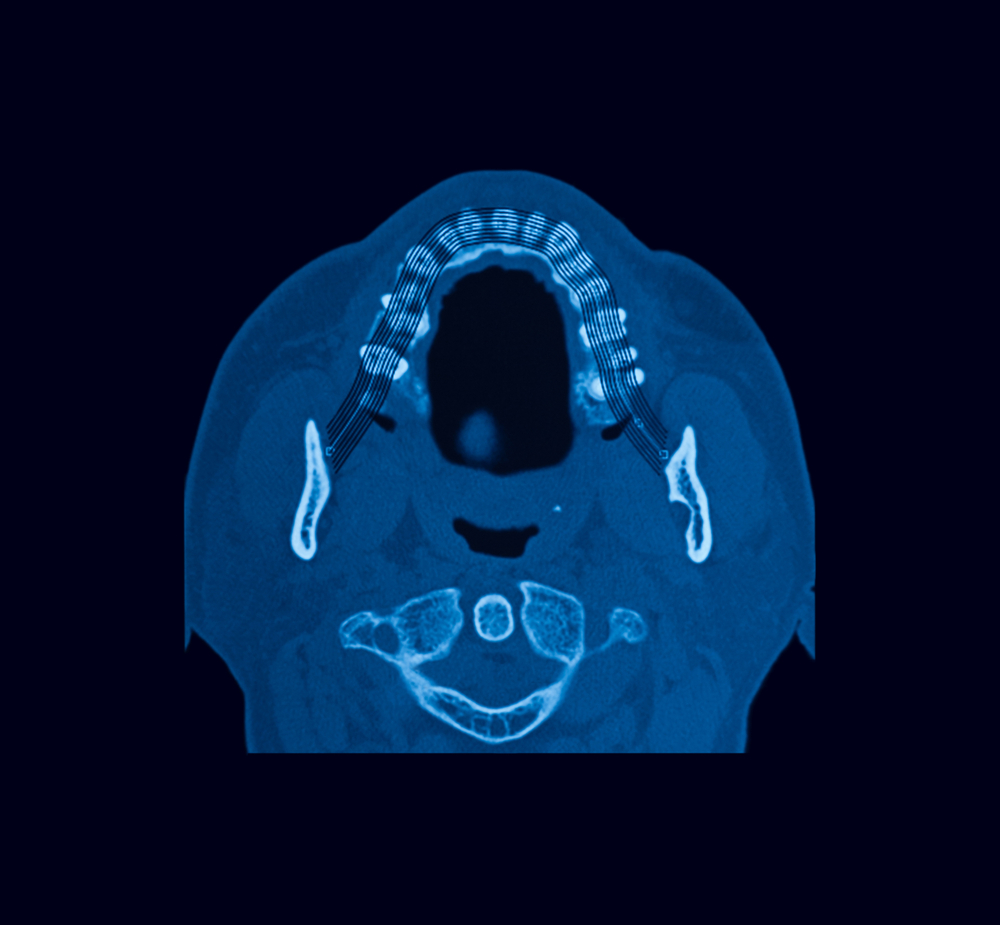
Yes, some people with reduced jaw structure can still qualify for a fixed full-arch solution. The amount, density, and location of remaining bone matter more than a general history of loss.
Implant position may change what is possible
A full-arch approach uses strategically positioned posts to support a fixed bridge. Angled placement may help the surgeon use stronger areas while avoiding certain anatomical structures.
This design may reduce extensive augmentation in selected cases. It cannot eliminate every limitation, so imaging remains essential.
A jawbone loss treatment plan may include grafting when the available structure cannot provide suitable support. Hard-tissue or soft-tissue grafts may be needed before or during reconstructive surgery.
Severe upper-jaw loss may require another approach
Some patients have too little upper-jaw structure for a standard configuration. Advanced options, including zygomatic or pterygoid posts, may provide support through deeper facial structures.
These techniques require specialized training and careful case selection. They may help certain patients avoid major grafting, though they do not suit every case.
Can active gum disease delay treatment?
Yes, active infection usually needs control before permanent full-arch care moves forward. Healthy, stable tissue supports healing and makes long-term maintenance more predictable.
Disease control comes before reconstruction
Periodontitis can damage the gums and bone that hold natural teeth in place. The tissues supporting teeth can deteriorate as periodontal infection advances, which makes timely care important.
An advanced gum disease treatment plan may involve deep cleaning, extractions, medication, or surgical therapy. The sequence depends upon infection severity and which teeth can still be preserved.
A previous history still matters
Past periodontitis does not automatically prevent treatment. It signals a greater need for personalized risk assessment, strong home care, and professional maintenance.
Redness, tenderness, bleeding, or swelling around a future restoration should receive prompt attention. Early evaluation can keep a small tissue concern from progressing.
What if most of my teeth are failing?
Widespread tooth failure can make full-arch care a reasonable option when repeated repairs no longer provide predictable function. The decision should still begin with a tooth-by-tooth examination.
Restorable teeth should receive a fair assessment
A provider should evaluate decay, fractures, mobility, infection, and remaining support before recommending removal. Natural teeth with a sound long-term outlook may be worth preserving.
When several teeth have a poor prognosis, full-arch tooth replacement can create one stable restoration across the jaw. It may also simplify care compared with managing many failing restorations.
Consider whether a fixed arch solution supports your long-term priorities before deciding. Comfort, maintenance, appearance, treatment time, and future repair needs should shape that conversation.
Extractions may be part of one coordinated plan
Teeth that cannot be predictably restored may be removed during the surgical phase. Depending upon the case, a temporary fixed bridge may be attached soon afterward.
That temporary bridge requires enough initial stability and favorable clinical findings. Your surgeon should explain alternatives beforehand.
What does the candidacy process include?
A complete review combines imaging, an oral examination, health history, and a discussion of expectations. No single symptom determines eligibility by itself.
Imaging shows the available foundation
A cone beam scan helps assess bone volume, sinus position, nerve location, infection, and possible placement angles. Digital scans also support prosthetic planning.
This implant candidacy evaluation should examine both the surgical foundation and final bridge design. A technically possible procedure must also support a comfortable bite and realistic hygiene routine.
Health and habits influence healing
Smoking, poorly controlled diabetes, certain medications, and conditions that affect healing may change the treatment sequence or risk profile. They do not always mean automatic exclusion.
Share your medical history, prescriptions, procedures, and home-care habits. Your provider may coordinate with your physician or recommend risk-reduction steps before surgery.
What questions should I ask before deciding?
Ask how the team will manage infection, limited bone, temporary teeth, anesthesia, complications, and maintenance. Clear answers can reveal whether the plan truly fits your case.
Request a plan built around your anatomy
A second implant candidacy evaluation can help when you have received conflicting opinions. Complex cases may have several possible paths with different preparation and recovery needs.
Ask whether your jawbone loss treatment would involve grafting, angled placement, or an advanced anchorage technique. You should also understand why the recommended design suits your anatomy.
Questions about how speech, chewing, and confidence may change after treatment can help you prepare for daily life. Review which provider questions reveal differences in planning and follow-up before choosing a team.
Discuss long-term disease prevention
Your advanced gum disease treatment does not end when the infection improves. Continued maintenance helps protect the tissues surrounding the new restoration.
Ask how often professional care will be needed and how to clean beneath the bridge. A realistic maintenance plan is essential to full-arch tooth replacement.
Who provides expert All-on-4 dental implants in Murrieta and the vicinity?

Temecula Dental Implants & Oral Surgery helps patients with failing teeth, reduced bone, and complex oral health concerns explore personalized full-arch care. Dr. Dmitry Tsvetov is a board-certified oral and maxillofacial surgeon with dual DDS and MD training. His practice offers advanced imaging, several anesthesia options, and specialized solutions for severe upper-jaw loss. Patients near Murrieta Town Square and across Murrieta can receive surgical and restorative planning in one location. Schedule a consultation to learn which path fits your health, anatomy, and goals!
Comments are closed.