

Dental Implant Problems: What Can Go Wrong and How Can You Lower the Risk?
Key Takeaways:
|
A few days after surgery, a twinge near a new implant can send your mind racing. Is it ordinary soreness, or the first sign that something is off? The worry usually comes from not knowing what a real problem looks like. Implants have a long track record, but complications do happen, and most follow patterns a trained eye can spot early.
Learning those patterns before treatment helps you prepare better and know when a symptom deserves a call. It’s useful knowledge for anyone weighing dental implants in Murrieta, and just as handy for patients already healing. Keep reading as we explain what tends to go wrong and how to keep the odds on your side.
Can the body reject a dental implant?
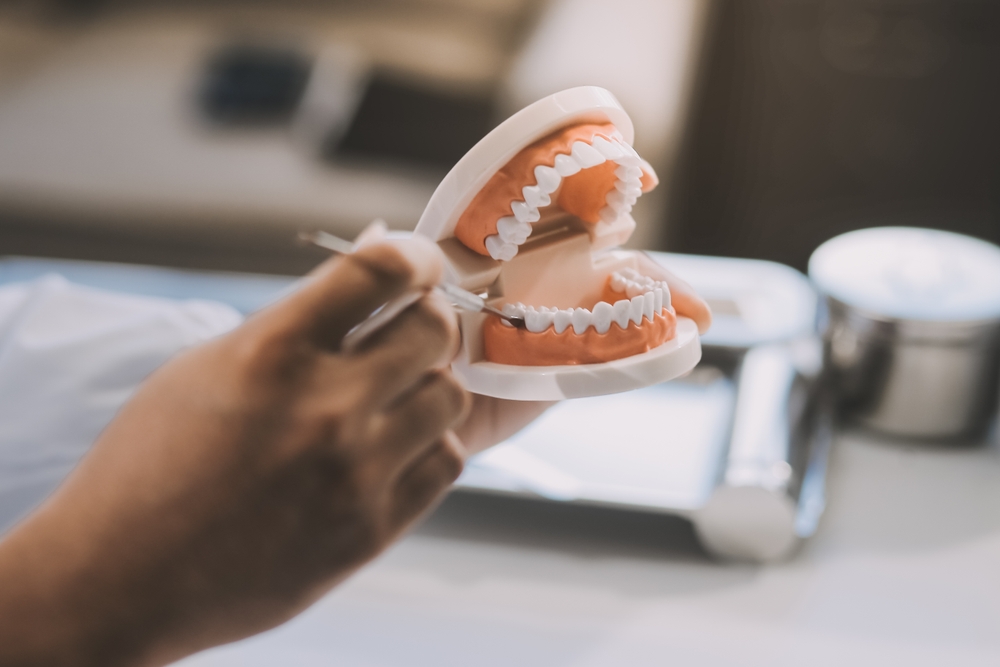 Not in the way the body rejects a transplanted organ. Implants are usually titanium or zirconia, materials the body tolerates well, and they’re tested for biocompatibility to check for irritation or allergic reactions. A true titanium allergy is possible but rare.
What people call rejection is usually an implant that never fused with the jawbone or an infection around it, and both tend to give warning signs. Early implant failure symptoms include:
- Pain that gets worse after the first week instead of gradually easing
- Swelling, bleeding or pus around the site that doesn’t settle
- An implant or crown that feels loose or twists when you bite
- Teeth that suddenly don’t meet the way they should
- Numbness or tingling in the lip, chin or gums that lingers after surgery
Contact your surgeon promptly if you notice any of these, since problems caught during healing are usually easier to correct.
What can go wrong with dental implants?
Problems tend to appear either while the implant heals or years later. The FDA’s guidance on implant risks notes that some lead to an implant loosening or needing replacement. Knowing the difference helps you tell normal healing from dental implant complications that need attention.
Problems during healing
In the first weeks and months, the main risks are infection at the surgical site and an implant that doesn’t bond with the bone. Less often, surgery can affect neighboring teeth, a nerve that supplies feeling to the lip or chin, or, for upper implants, the sinus.
Problems that develop over time
The long-term side effects of dental implants usually build slowly. Peri-implantitis, a gum infection around the implant, can erode the supporting bone if it goes untreated. Abutment screws can also loosen and attached teeth can chip, especially in people who grind.
Full-arch problems the practice avoids
Full-arch treatment carries its own set of possible problems, many tied to planning, including how many posts a full arch needs and where they go. Temecula Dental Implants & Oral Surgery’s process is built to avoid each one:
- Bulky-feeling teeth: final teeth are custom-designed after a temporary phase, so their size can be refined first.
- Cracked or broken bridges: teeth are made in the in-house lab, with stronger armored acrylic and zirconia options.
- Broken implants: the practice uses brand-name implants, each backed by a lifetime warranty.
- A heavy-feeling bridge: patients choose their material and can start with lighter acrylic, then upgrade later.
- Implants that fail after placement: each case is planned with a cone beam CT scan and placed using surgical guides made in-house.
- Bone loss and gum recession: grafting is included when needed, and L-PRF made from the patient’s own blood supports healing and bone growth.
- Infection: patients follow a prescribed antibiotic and rinse protocol, plus a recommended yearly maintenance visit.
- Reduced feel when biting: the temporary phase lets the team fine-tune the bite before final teeth are made.
- Speech changes: temporaries can be reshaped before the final teeth go in about three months later.
- Poor lip or facial support: a 3D facial scan and smile simulation guide the design from the first visit.
- Too many implants: one flat fee covers up to six posts per arch, so there’s no financial reason to place extras.
- Lab or surgeon errors: Dr. Tsvetov, a board-certified oral and maxillofacial surgeon, performs every implant surgery himself and works with an experienced in-house lab technologist.
In the rare event an issue does come up, the practice provides the necessary care at no additional charge.
What is the most common cause of dental implant failure?
Infection is the cause dental professionals point to most often, particularly peri-implantitis in implants that fail after healing. Bacteria inflame the gums around the post and gradually break down the bone holding it. Because implants can’t decay, it’s easy to assume they need less care, which is often how the problem starts.
Early failures, within the first few months, more often happen because the implant never fully fused with the bone. Several factors raise the risk of both:
- Smoking, which the FDA notes may slow healing and reduce long-term success
- Uncontrolled diabetes, which raises the risk of infection
- A history of gum disease, which can return around implants
- Grinding or clenching, which overloads the posts and the teeth attached to them
- Thin or soft bone at the implant site
How to avoid dental implant failure?
Much of the risk is in your hands, and the rest depends on who plans and places the implant.
Before treatment
- Quit smoking or vaping well before surgery and while you heal.
- Get diabetes and other conditions under control, and share your full medical history.
- Treat any active gum disease first.
- Ask whether you need a bone graft instead of accepting a quick placement in thin bone.
Choosing who places your implants
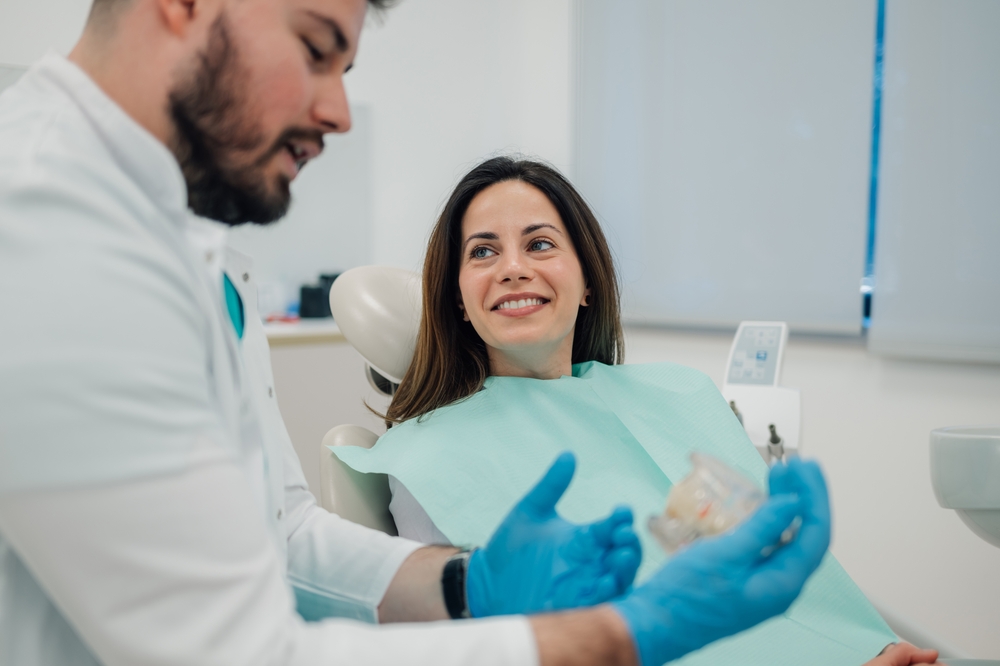 Ask who will perform the surgery, what imaging they use, and what happens if something goes wrong. A rock-bottom quote can hide skipped steps, so it helps to know what full treatment costs in the area before comparing offices. Be wary of mini implants, too. They cost less up front but carry a higher risk of mechanical problems than standard implants. Good planning can also reduce how much surgery you need, since a gap of several teeth can often be restored with fewer implants than there are missing teeth.
After treatment
Follow your post-op instructions closely. Long term, clean around your implants every day, keep regular checkups, and ask about a night guard if you grind your teeth. Report looseness, pain or bite changes right away.
Where can I get quality dental implants near me in Murrieta?
You can get them at Temecula Dental Implants & Oral Surgery, where care is built around preventing the problems above. Dr. Dmitry Y. Tsvetov, DDS, MD, is a board-certified oral and maxillofacial surgeon who handles each case himself, from the first scan to the final teeth, supported by an in-house lab and an on-staff anesthesiologist.
He’s also available around the clock if a surgical complication comes up. If you live near Lake Skinner or elsewhere in southwest Riverside County, start with a free consultation at the office in Temecula, which includes a cone beam CT scan. Book yours to see your options clearly before treatment begins!
Comments are closed.