

What Happens If an All-on-4 Implant Fails?
All-on-4 dental implants are designed to provide long-term stability and full-arch tooth replacement using strategically placed implants that support an entire restoration. For many patients, this treatment can dramatically improve comfort, function, and confidence compared to removable dentures. However, like any complex dental procedure, complications can sometimes occur. Patients searching for a dentist implant specialist in San Marcos, CA often want to understand what happens if problems develop years after treatment or if one part of the system begins failing unexpectedly.
The good news is that not every complication automatically means the entire restoration must be replaced. In many cases, problems can be identified and managed before complete failure occurs.
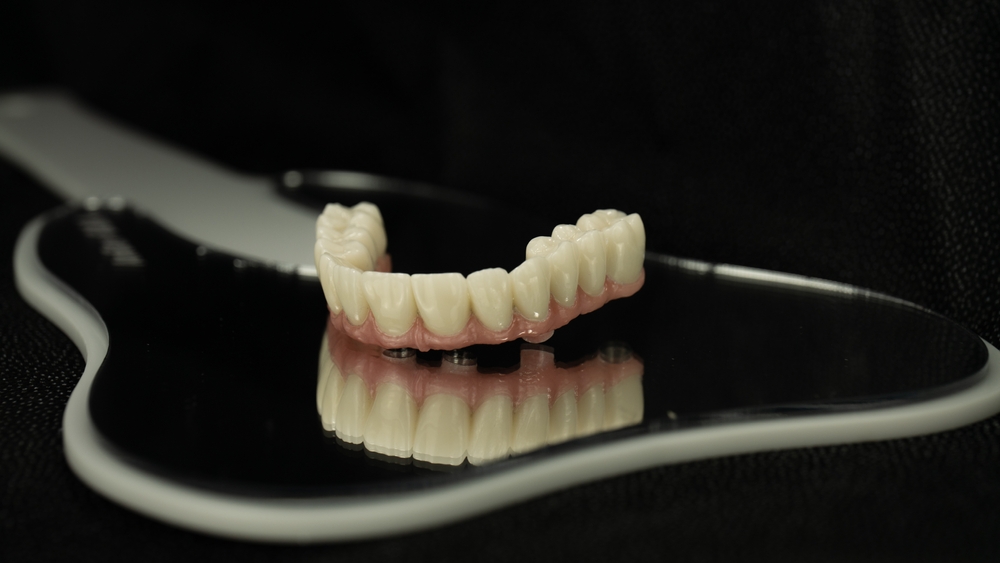
What causes All-on-4 dental implant failure?
Several factors can contribute to All-on-4 dental implant failure, ranging from infection to excessive pressure on the implants themselves.
1. Peri-implantitis and bone loss
Inflammation around implants remains one of the most common long-term risks. Bacterial buildup beneath the gums can gradually damage surrounding bone and tissue, weakening implant stability over time.
If untreated, this bone deterioration can eventually compromise the entire support structure.
2. Excessive bite pressure or grinding
Teeth grinding and uneven bite forces can place excessive stress on implants and restorations. Over time, constant pressure may contribute to loosening, fractures, or mechanical complications within the system.
This is especially important for full-arch restorations that absorb significant chewing force daily.
3. Poor oral hygiene maintenance
Even though implants cannot develop cavities, surrounding gum tissue still requires ongoing care. Inadequate hygiene increases the risk of inflammation, bacterial buildup, and implant-related complications.
Long-term maintenance appointments remain extremely important after treatment.
4. Smoking or uncontrolled health conditions
Smoking, uncontrolled diabetes, and certain systemic conditions may reduce healing ability and increase the risk of implant complications. These factors can affect both initial healing and long-term implant stability.

What are the warning signs of All-on-4 implant failure?
Early failed All-on-4 implants symptoms are not always dramatic. Many complications begin gradually before becoming more noticeable over time.
1. Movement or instability in the restoration
One of the most obvious warning signs is movement within the prosthetic arch or implant system itself. Patients may notice shifting while chewing or changes in bite pressure.
These All-on-4 loose implant signs should always be evaluated promptly.
2. Persistent pain or pressure
Mild soreness immediately after treatment is normal, but ongoing pain months or years later may indicate inflammation, infection, or implant instability beneath the gums.
Discomfort that worsens while chewing often deserves closer evaluation.
3. Swelling or bleeding around implants
Redness, swelling, bleeding, or drainage near implant sites may signal peri-implantitis or tissue infection. These symptoms sometimes appear before major structural problems develop.
Early treatment often improves the chances of preserving implant stability.
4. Difficulty chewing normally
Changes in bite alignment or chewing pressure may suggest shifting within the implant system. Patients sometimes notice certain areas feeling uneven or unstable during meals.
Even subtle functional changes can indicate developing complications.
What if one All-on-4 implant fails?
Many patients ask, what if one All-on-4 implant fails and whether the entire arch must immediately be removed.
1. Not every failure affects the entire system
All-on-4 restorations are designed to distribute support across multiple implants. In some situations, one failing implant may not immediately compromise the entire prosthetic arch.
The severity depends heavily on:
- Bone support remaining around other implants
- Location of the failing implant
- Overall stability of the restoration
- Amount of structural damage present
Early diagnosis plays a major role in determining available treatment options.
2. Temporary stabilization may sometimes be possible
In certain cases, adjustments or temporary stabilization methods can help preserve function while treatment planning takes place. This may allow patients to avoid immediate removal of the full restoration.
Each situation depends on the overall condition of the remaining implants and surrounding bone.
3. Delaying treatment can worsen damage
Ignoring instability or inflammation may increase the likelihood of additional implant failure later. Bone loss and infection can spread if not addressed early.
This is one reason patients should seek evaluation quickly if symptoms appear.
Can All-on-4 implants be repaired?
Many patients wonder, can all on 4 implants be repaired, or whether failure always requires full replacement.
1. Some complications involve only the restoration
Not all problems originate from the implants themselves. Sometimes the prosthetic arch, screws, or components become damaged while the implants remain healthy.
These situations are often far more manageable than complete implant failure.
2. Implant replacement may sometimes be localized
If only one implant is compromised, targeted treatment or replacement may sometimes be possible without replacing the full arch. Bone condition and surrounding support determine whether this approach is viable.
3. Advanced cases may require more extensive treatment
Severe full-mouth dental implant failure involving multiple implants or extensive bone deterioration may require larger reconstruction procedures and more complex planning.
This can sometimes involve grafting procedures and staged treatment approaches.
What does All-on-4 revision surgery involve?
In more advanced cases, an All-on-4 revision surgery may be necessary to restore implant stability and function.
1. Removal of compromised implants
Damaged or unstable implants may need to be removed before rebuilding healthy support structures. This process helps eliminate infection and prevent additional complications.
2. Bone grafting when support has been lost
If major bone deterioration has occurred, grafting procedures may help rebuild support before replacement implants are placed. Healing periods vary depending on the extent of reconstruction required.
3. Placement of new implants and restoration
Once healthy support is established, new implants and prosthetic restorations can often be designed to improve long-term stability and function.
Modern revision techniques can frequently restore comfort and appearance successfully even after previous complications.
Why early evaluation is so important
The earlier complications are identified, the more treatment options usually remain available. Small problems involving inflammation, bite pressure, or component damage are often easier to manage before extensive bone loss develops.
Near Lake San Marcos, many patients seek evaluation after noticing movement, pressure changes, or irritation around implants that initially seemed minor.
It may also help to explore what can cause movement around an implant restoration, recognize the early warning signs of implant-related infection, and understand how inflammatory gum disease can gradually weaken implant support over time before complications become more severe.
How can patients find a reliable dentist implant specialist in San Marcos, CA, and the vicinity?
Temecula Dental Implants & Oral Surgery provides comprehensive evaluation and treatment planning for patients experiencing implant complications, instability, or full-arch restoration concerns. Our team carefully evaluates implant support, gum health, bone condition, and prosthetic stability to determine the most effective treatment approach for each individual case.
Whether you are noticing discomfort, movement, or changes around an existing All-on-4 restoration, early evaluation can help prevent more serious complications later. Contact us today to see what we can do for you!
Comments are closed.