

Peri-Implantitis Explained: The Gum Disease That Threatens Implants
Dental implants are designed to be long-lasting, but they still depend on healthy surrounding tissue and bone support to remain stable over time. One of the most serious complications affecting implants is peri-implantitis, a progressive inflammatory condition that damages the gum tissue and bone surrounding the implant. For patients in San Marcos who are searching for dental implants, understanding this condition is important because early detection and treatment can make a major difference in protecting long-term implant stability.
Many people do not realize peri-implantitis can develop gradually with few obvious symptoms in the beginning. By the time discomfort becomes noticeable, significant tissue damage may already be occurring around the implant.
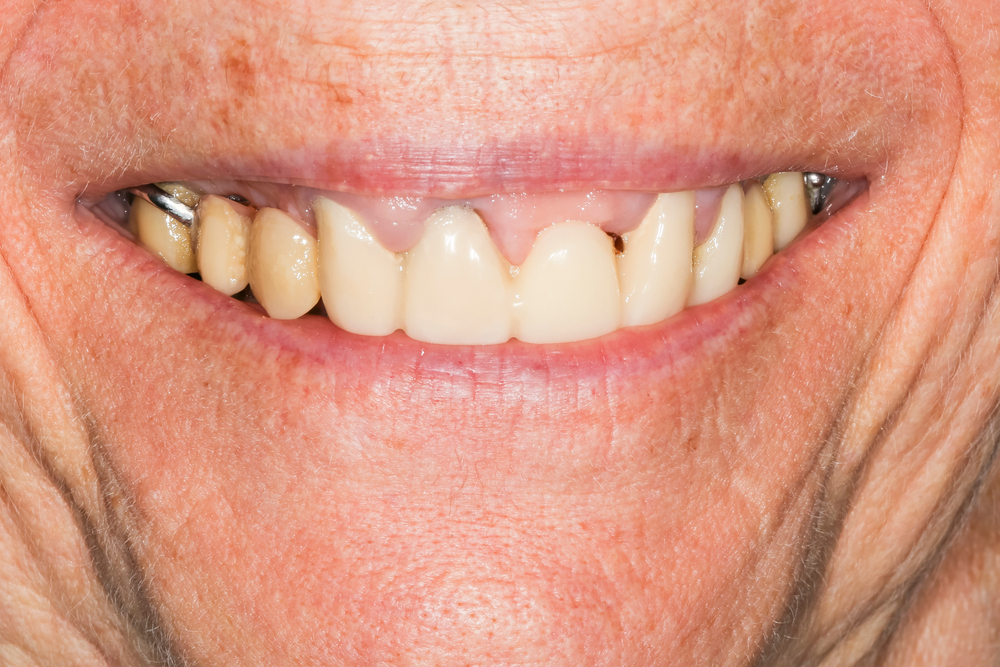
What is peri-implantitis?
Many patients ask what is peri implantitis, and how it differs from regular gum disease. Peri-implantitis is an inflammatory condition that affects the tissue and bone surrounding a dental implant. It develops when bacteria accumulate around the implant site and trigger an infection that gradually damages supporting structures.
Over time, untreated inflammation can lead to:
- Gum recession
- Deep pockets around the implant
- Infection of the surrounding tissue
- Progressive bone deterioration
- Implant instability or failure
Unlike natural teeth, implants do not have the same protective connective tissue structure. This can sometimes allow infection to spread more aggressively once inflammation develops.

What causes peri-implantitis to develop?
Several factors can increase the likelihood of inflammation forming around a dental implant.
1. Poor plaque control around the implant
Bacteria and plaque accumulation remain one of the most common causes of gum disease around dental implants. If plaque is not removed consistently, inflammation can begin affecting the gum tissue surrounding the implant.
Over time, this irritation may spread deeper below the gumline and begin affecting supporting bone.
2. Previous history of gum disease
Patients who have experienced periodontal disease in the past often face higher risk for implant-related inflammation later. Existing bacterial patterns and tissue sensitivity can make the gums more vulnerable to infection around implants.
This is one reason ongoing maintenance visits remain extremely important after implant placement.
3. Smoking and systemic health conditions
Smoking reduces circulation and healing capacity within gum tissue, making it more difficult for the body to control inflammation effectively. Certain health conditions, including uncontrolled diabetes, may also increase susceptibility to peri-implant complications.
These factors can accelerate tissue breakdown if infection develops.
4. Excessive pressure on the implant
Improper bite alignment or excessive grinding pressure can contribute to inflammation around the implant site. Mechanical stress sometimes weakens surrounding tissue and bone over time, particularly when combined with bacterial buildup.

What are the warning signs of peri-implantitis?
Early peri-implantitis symptoms are not always painful, which is one reason many patients do not recognize the problem immediately.
1. Bleeding gums around the implant
One of the earliest warning signs is bleeding gums around implant areas during brushing or flossing. Healthy gum tissue generally should not bleed consistently around a stable implant.
Persistent bleeding often signals active inflammation.
2. Swelling or tenderness near the implant
Redness, swelling, or soreness around the implant may indicate irritation below the gumline. These symptoms can appear gradually and sometimes fluctuate before worsening over time.
Mild discomfort should not automatically be ignored simply because the implant still feels stable.
3. Bad taste or drainage around the implant
Infection may sometimes produce an unpleasant taste, odor, or drainage near the implant site. These symptoms often indicate bacterial activity beneath the gums.
Any visible pus or drainage should be evaluated promptly.
4. Bone loss around the dental implant
As inflammation progresses, bone loss around dental implant structures can begin to weaken implant support. This bone deterioration may not always be visible without X-rays during dental evaluation.
Once bone support decreases significantly, implant stability may become compromised.
5. Loosening or movement of the implant
Advanced inflammation can eventually affect implant stability itself. Patients sometimes notice shifting, pressure changes, or movement while chewing.
At this stage, many people begin asking, can peri-implantitis cause implant failure? Unfortunately, severe untreated cases can eventually lead to complete implant loss if the surrounding bone deteriorates too extensively.
How is peri-implantitis diagnosed?
Diagnosis usually involves both clinical examination and imaging.
1. Gum pocket measurements
Dentists often measure the depth of tissue pockets surrounding the implant to identify abnormal inflammation or bacterial buildup beneath the gums. Deeper pockets may indicate progression of infection.
2. X-rays to evaluate bone support
Imaging helps determine whether bone loss around dental implant structures has already started. Comparing current images to previous records often helps identify gradual deterioration that patients may not notice themselves.
3. Evaluation of tissue inflammation
Dentists also evaluate bleeding, swelling, tissue texture, and implant stability during examination. These findings help determine how advanced the condition has become.
What peri-implantitis treatment options are available?
The best peri-implantitis treatment options depend heavily on how early the condition is identified.
1. Professional deep cleaning around the implant
In early stages, removing bacterial buildup below the gums may help reduce inflammation before significant bone damage occurs. Specialized instruments are often used to clean implant surfaces carefully without damaging them.
2. Antibacterial therapy
Antimicrobial rinses or localized medications may help control bacterial activity around the implant site. These treatments are often combined with improved home hygiene routines.
3. Surgical treatment for advanced cases
More advanced peri-implantitis sometimes requires surgical treatment to access deeper infected areas and attempt to regenerate lost tissue or bone support. The earlier treatment begins, the greater the chance of preserving implant stability.
4. Ongoing maintenance and monitoring
Long-term implant success depends heavily on ongoing monitoring and preventive care. Routine cleanings and regular evaluations help detect inflammation much earlier before serious damage develops.
Why early intervention matters so much
Peri-implantitis becomes far more difficult to manage once major bone deterioration occurs. Early inflammation is often reversible or controllable, but advanced tissue destruction may permanently compromise implant support.
Near Double Peak Park, many patients seek evaluation after noticing subtle symptoms like bleeding, swelling, or changes around an implant that initially seemed minor.
It may also help to understand why dental implants sometimes start feeling loose, recognize the warning signs of implant infection that should never be ignored, and learn what can happen if an All-on-4 implant system fails before complications progress further.
Where in San Marcos and the vicinity can patients find high-quality dental implants?
Temecula Dental Implants & Oral Surgery helps patients protect and restore the long-term health of their dental implants through comprehensive evaluations, preventive care, and advanced treatment planning. Our team carefully assesses implant stability, gum health, bone support, and surrounding tissue to identify complications as early as possible.
Whether you are experiencing bleeding, swelling, discomfort, or changes around an implant, early evaluation can help prevent more serious damage later. Contact us today to learn more about your treatment options!
Comments are closed.