

Signs of Dental Implant Infection You Should Never Ignore
Dental implants are designed to function like natural teeth, but they still depend on healthy surrounding tissue to remain successful. When infection develops around an implant, the warning signs can start subtly and become much more serious if left untreated. Patients in San Marcos searching for a dental implants specialist are often unsure whether what they are feeling is normal healing or the beginning of a complication.
Knowing which symptoms point to infection can make the difference between a manageable issue and one that threatens the implant itself.
What are the earliest signs of dental implant infection?
Not every implant issue begins with severe pain. In many cases, infection develops gradually, and the first symptoms are easy to dismiss.
Patients commonly notice:
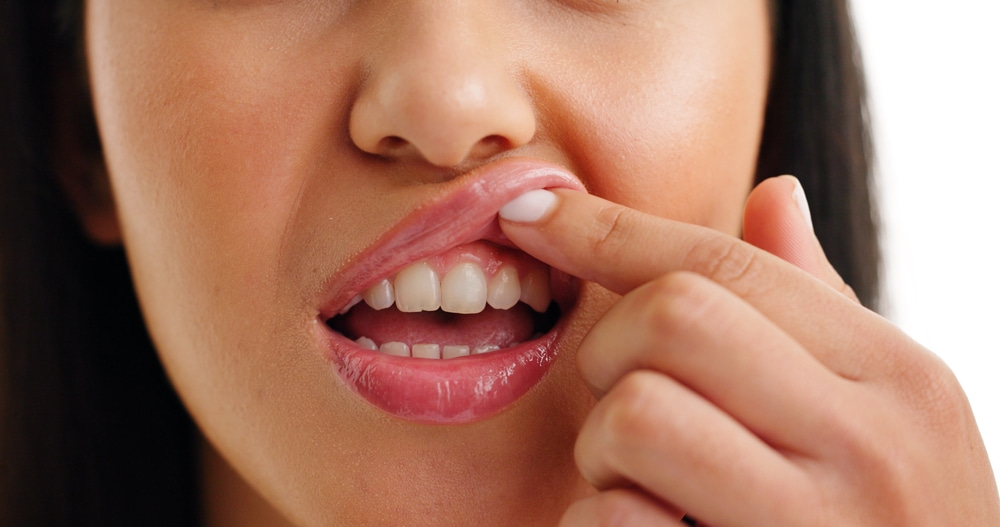 Redness or tenderness around the implant site
- Mild but persistent discomfort
- A feeling of pressure in the surrounding gum
- Sensitivity when biting down
- Unusual warmth in the tissue near the implant
These early infected dental implant symptoms may not seem dramatic at first, but they usually indicate that the tissue is becoming irritated or inflamed.
Which signs of dental implant infection should be taken seriously?
Some symptoms suggest that the infection is progressing beyond mild irritation and beginning to affect deeper tissue.
1. Swelling that does not improve
Minor swelling can happen after implant placement, but it should gradually decrease as healing continues. If swelling around the dental implant tissue appears suddenly, gets worse, or returns after healing seems complete, infection becomes a stronger possibility.
Persistent swelling usually means the surrounding gum is actively reacting to bacteria or inflammation.
2. Pus or discharge near the implant
One of the clearest warning signs is visible discharge coming from the gum line. The presence of pus around dental implant tissue indicates that the body is actively fighting infection in the area.
This is not a symptom that resolves on its own. Once pus is present, prompt treatment is important to prevent more serious damage.
3. A bad taste or unpleasant odor
Some patients notice a strange taste in their mouth before they see any visible changes. A lingering bad taste after dental implant placement can happen when bacteria and fluid begin collecting around the implant site.
This symptom often accompanies early drainage, even if discharge is not yet obvious.
4. Increasing pain when chewing
As inflammation builds, pressure on the implant may become more uncomfortable. Patients may start noticing sensitivity or sharp discomfort while eating, especially on firmer foods.
A painful dental implant infection often becomes more obvious during chewing because the surrounding tissues are already irritated and compressed.
What causes gum infection around an implant tooth?
Dental implants themselves cannot decay, but the gum and bone supporting them can still become vulnerable when bacteria are allowed to collect.
1. Plaque buildup around the implant
Just like natural teeth, implants require consistent hygiene. If plaque accumulates around the implant crown, bacteria can begin affecting the gum tissue.
Over time, this can lead to a gum infection around implant tooth restorations that may spread deeper if not addressed.
2. Food trapping or improper fit
In some cases, the shape of the crown or surrounding gum contour allows food to collect in hard-to-clean areas. This creates an ideal environment for bacterial growth.
Patients may not realize this is happening until symptoms begin to appear.
3. Smoking or delayed healing
Smoking reduces circulation and slows tissue healing, which makes the implant area more susceptible to bacterial irritation. Patients with compromised healing often face a higher risk of infection during both the early and long-term stages.
4. Existing inflammation left untreated
Sometimes the infection does not begin suddenly. Mild irritation that was ignored can gradually worsen until the gum and bone are actively affected.
This is often how subtle signs of dental implant infection progress into more advanced complications.
How do you know if the infection is affecting the implant itself?
At first, an infection may only involve the gum tissue. If left untreated, it can begin affecting the bone that holds the implant in place.
Warning signs that the problem may be advancing include:
- Increased mobility or a shifting sensation
- Bleeding around the implant during brushing
- Deep soreness in the jaw
- Gum recession exposing more of the implant hardware
- Ongoing pressure or throbbing
These symptoms suggest the infection may be moving beyond the surface.
Patients who start noticing movement should also understand why a dental implant may begin to feel loose, since infection is one of the common causes behind implant instability.
Can an infected dental implant be saved?
In many cases, yes, but treatment becomes more difficult the longer the infection is allowed to continue.
1. Early infections can often be controlled
If the infection is caught while it is still limited to the surrounding gum, professional cleaning, irrigation, and medication may be enough to stop it from progressing. This is why responding quickly to early infected dental implant symptoms matters.
2. Deeper infections require more involved treatment
Once bone support becomes affected, the treatment may include deeper decontamination, regenerative procedures, or surgical intervention. This is where many patients begin dealing with peri-implant disease rather than a simple gum infection.
3. Severe damage can threaten the implant
If enough bone support is lost, the implant may no longer remain stable. In those cases, preserving the implant becomes more difficult, and replacement may need to be discussed. Patients concerned about disease progression should also be aware of peri-implantitis, because it is one of the most common advanced outcomes of untreated infection.
When should you call your dentist?
The safest answer is as soon as you notice something that feels different.
Even symptoms that seem minor, such as a bad taste after dental implant placement or mild swelling around dental implant tissue, can indicate that bacteria are beginning to affect the area. Waiting until pain becomes severe usually means the infection has had more time to spread.
Early intervention gives the best chance of preserving both the implant and the surrounding bone.
Where in San Marcos can I find a trusted dental implants specialist for implant infections?
 At Temecula Dental Implants & Oral Surgery, we carefully evaluate implant complications to determine whether the issue is limited to surface inflammation or beginning to affect deeper bone support. Our team uses detailed imaging and clinical assessment to identify the exact source of infection before recommending treatment.
Whether you are dealing with visible pus around dental implant tissue, a persistent bad taste, an issue with failed All-on-4, or unexplained discomfort, we provide prompt care designed to stop the infection before it compromises the implant.
Whether you live close to Double Peak Park or elsewhere in San Marcos, we are just a quick ride away. Get in touch with us today to schedule an implant evaluation and protect your long-term implant health.