

Why Is My Dental Implant Loose: 7 Possible Reasons
Dental implants are designed to feel stable, secure, and permanent. That is why any movement can feel alarming. Whether the looseness happens suddenly or develops gradually over time, it is usually a sign that something underneath needs attention. Many patients looking into dental implants in San Marcos are surprised to learn that not all looseness means the implant itself has failed, but it should never be ignored.
The key is understanding what may actually be moving, why it is happening, and how quickly it should be evaluated.
Why does my dental implant feel loose?
One of the first things to understand is that there are different parts involved in an implant restoration. In some cases, the implant post remains secure in the bone while the crown or connecting abutment becomes unstable. In other cases, the implant itself may be affected.
That distinction matters because loose implant crown vs loose implant post issues can look similar at first, but they involve very different causes and treatment paths.
Patients often describe early loose dental implant symptoms as:
- A slight shift when biting
- Pressure while chewing
- Clicking sensations
- Soreness around the implant site
- The feeling that the tooth is no longer fully anchored
Even mild movement is enough to warrant an exam.
What are the most common wobbly dental implant causes?
There is no single explanation for implant movement. Several issues can create the sensation that the implant is loose.
1. The implant crown has loosened
This is one of the most common and least severe possibilities. The visible tooth attached to the implant can loosen if the retaining screw shifts over time or if biting pressure has gradually affected the connection. This can make patients think the entire implant is failing when the issue is actually limited to the restoration.
2. The abutment connection is unstable
Between the implant post and the crown sits a small connecting piece called the abutment. If this component loosens, the entire tooth may feel mobile. Because this movement happens at the connection point, patients often report a dental implant moving when chewing, even though the implant itself may still be integrated.
3. Bone loss around the implant
A more serious cause of mobility is loss of the surrounding bone that originally stabilized the implant. This can happen gradually over time due to inflammation, bite stress, or poor healing. When enough support is lost, what causes dental implant instability becomes a deeper structural issue rather than a simple hardware repair.
4. Peri-implant inflammation or infection
Inflammation around the implant can weaken the supporting gum and bone over time. In more advanced cases, bacterial infection may begin to compromise the implant’s long-term hold. This is why it is important to recognize signs of dental implant infection that you shouldn’t ignore before movement becomes noticeable.
5. Peri-implantitis progression
If inflammation is left untreated, it can develop into peri-implantitis, a destructive condition that damages the tissues supporting the implant. Patients dealing with ongoing swelling, bleeding, or discomfort should understand peri-implantitis, because this condition is one of the leading long-term threats to implant stability.
6. Excessive bite pressure or grinding
Implants are strong, but they are still vulnerable to constant overload. Teeth grinding, jaw clenching, or an uneven bite can create repetitive force that slowly affects the implant components. This is one of the more overlooked wobbly dental implant causes, especially in patients who have had implants for several years without previous issues.
7. Long-term wear after years of function
Some patients experience a dental implant that feels loose after years, which can be confusing because the implant had seemed perfectly stable for a long time. In these cases, years of chewing pressure, subtle component wear, gum changes, or bone remodeling may gradually contribute to looseness.
How can you tell what part of the implant is actually loose?
Professional evaluation is important because not every loose implant means the same thing. Dentists need to determine whether the movement is happening in the crown, the abutment, or the implant post itself.
A proper assessment usually includes: 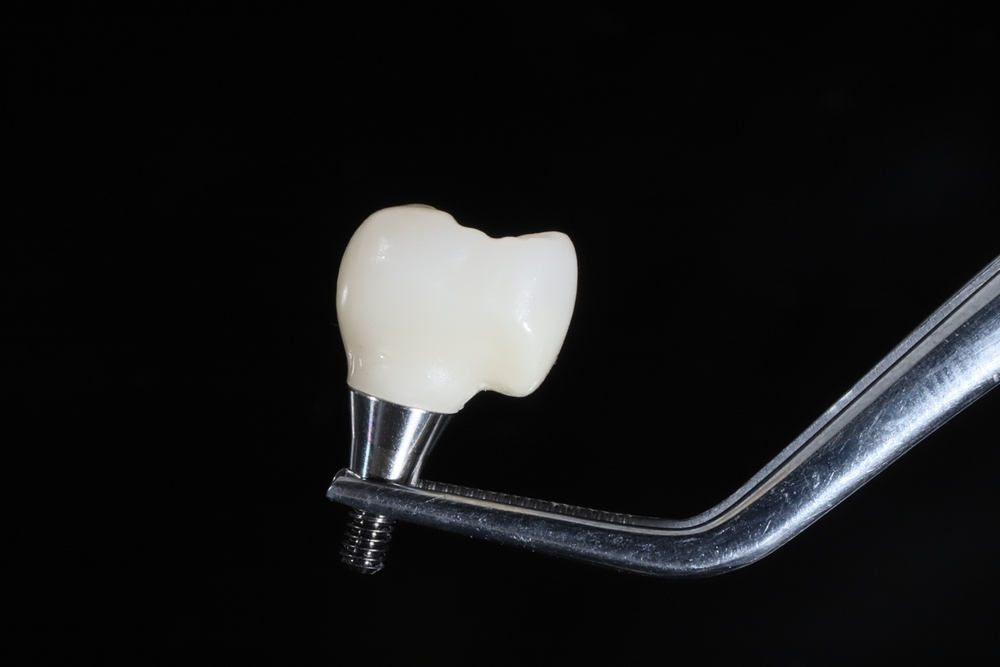
- Clinical testing to identify where the movement is occurring
- X-rays to evaluate bone support around the implant
- Bite analysis to check for pressure-related instability
- Examination of the surrounding gum tissue for signs of inflammation
This process helps determine whether the problem is mechanical, biological, or structural.
Can a loose dental implant be saved?
Many loose implants can be treated successfully, but the solution depends entirely on the underlying cause. Some cases are relatively simple, while others require more advanced intervention.
Possible treatment paths may include:
- Tightening or replacing a loose crown or abutment
- Deep cleaning and treatment for peri-implant inflammation
- Bone support evaluation and regenerative procedures
- Removal and replacement if the implant itself has failed
Patients with full-arch restorations may also want to understand what happens if an All-on-4 implant fails, since these systems involve different stability concerns.
When should you call your dentist?
Any movement should be evaluated as soon as possible. Even if there is no pain, loose dental implant symptoms can worsen quickly if the underlying issue is infection, bone loss, or hardware instability.
Waiting usually increases the chance that a minor repair turns into a more involved treatment. The sooner the source is identified, the better the chance of preserving the implant.
Where can I find help for loose dental implants in San Marcos?
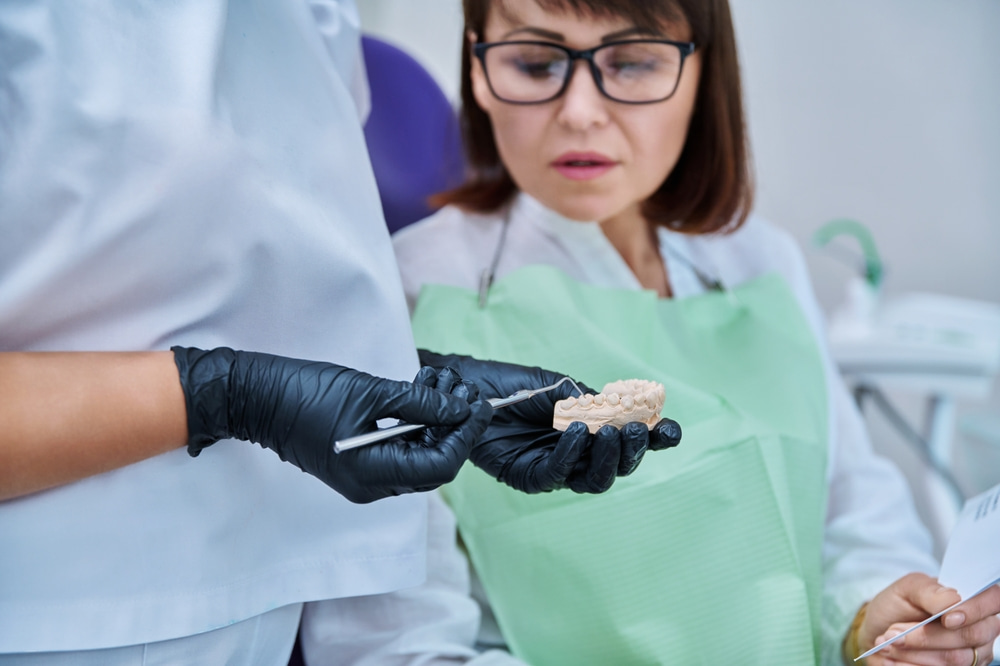 At Temecula Dental Implants & Oral Surgery, we evaluate implant movement carefully to determine whether the issue is limited to the crown, the connection, or the implant itself. Our team uses detailed imaging and clinical assessment to identify the true source of looseness before recommending treatment.
Whether you are dealing with a recently loosened implant or a situation where your dental implant feels loose after years, we provide clear answers and practical treatment options designed to protect your long-term oral health.
Whether you’re located in the center of San Marcos or next to Bradley Bike Park, we’re very easy to reach. Get in touch with us today to schedule an implant evaluation and find out what is causing the movement before the problem progresses.