
How 3D Printing Transformed Subperiosteal Implants
Dental implants have come a long way over the years, revolutionizing the way patients approach tooth loss and restoring their smiles. One of the most significant advancements in recent years is the integration of 3D printing technology into how we create a subperiosteal dental implant in Temecula. This innovation has not only improved the precision and efficiency of implant procedures but has also brought hope to patients who may have once been considered unsuitable for traditional implants.
Thanks to the development of 3D printed subperiosteal implants, the procedure has become more precise, efficient, and accessible than ever before. In this blog, we’ll dive into how 3D printing in oral surgery has revolutionized the world of subperiosteal implants, improving outcomes for patients and making the procedure smoother for both surgeons and patients alike.
In this blog, we will explore how the process of creating dental implants has undergone a revolutionary transformation, and how 3D printing has enriched the lives of patients across the US.
What are subperiosteal implants?
Subperiosteal implants are a type of dental implant designed for patients who lack sufficient jawbone height or density to support traditional endosteal implants (which are placed directly into the jawbone). These implants rest on top of the jawbone, under the gum tissue (subperiosteally), and are typically recommended for patients who have experienced bone loss due to factors like periodontal disease, trauma, or congenital issues.
Unlike conventional implants, which rely on bone integration to secure the fixture, subperiosteal implants are custom-fitted to the patient’s unique anatomy. This custom dental implant fabrication is particularly important for patients with significant bone resorption, as it allows the implant to be tailored to their specific needs. The process of designing and creating these implants has undergone a significant transformation, thanks to the advent of digital implant design technology.
The traditional approach to subperiosteal implants
Before the introduction of 3D printing in oral surgery, subperiosteal implants were crafted using more traditional methods. These typically involved taking impressions of the patient’s mouth, followed by the manual creation of a custom implant by a dental laboratory. The process often required multiple appointments, a considerable amount of time, and the involvement of various specialists.
The traditional approach also presented challenges related to accuracy. While dental impressions were useful in capturing the basic contours of a patient’s jaw, they didn’t always offer the precise detail required for optimal fit. This could lead to issues with implant stability, which, in turn, could affect the overall success of the procedure. Additionally, the use of metal frameworks that needed to be manually adjusted in the lab posed difficulties in terms of both comfort and long-term wear.
The emergence of 3D printing in dentistry
3D printing has transformed numerous industries, and dentistry is no exception. This innovative technology allows for the creation of highly detailed, custom-made dental implants with a level of precision and speed that was previously unimaginable. The ability to print 3D models based on digital scans of the patient’s mouth has revolutionized the design and manufacturing of subperiosteal implants.
For oral surgeons, 3D printing provides the opportunity to create a precise, patient-specific jaw implant that ensures the implant fits comfortably and securely. By using CAD/CAM dental implants technology, surgeons can generate 3D models that replicate the exact contours of the patient’s jaw, which leads to greater accuracy and a more successful outcome.
How does 3D printing improve the subperiosteal implant process?
Simply put, 3D printing has made the entire process of designing and creating subperiosteal implants more precise, personalized, and efficient. It offers much better treatment outcomes for patients and a sturdier, more comfortable long-term solution.
Customization for a better fit
One of the key benefits of 3D printing in subperiosteal implant creation is its ability to produce highly customized implants. Unlike traditional methods, where adjustments often had to be made after the initial design, 3D printed subperiosteal implants enable the creation of a final implant that fits the patient’s jaw with remarkable precision. This personalized approach reduces the chances of complications and enhances the likelihood of a successful integration with the surrounding gum tissue.
By using advanced scanning technology, oral surgeons can capture detailed images of the patient’s mouth, including any areas with bone loss or irregularities. The 3D model is then used to design an implant that fits seamlessly into the patient’s unique anatomy. This level of customization is essential in ensuring that the subperiosteal implant remains stable and functional over time.
Increased speed & efficiency
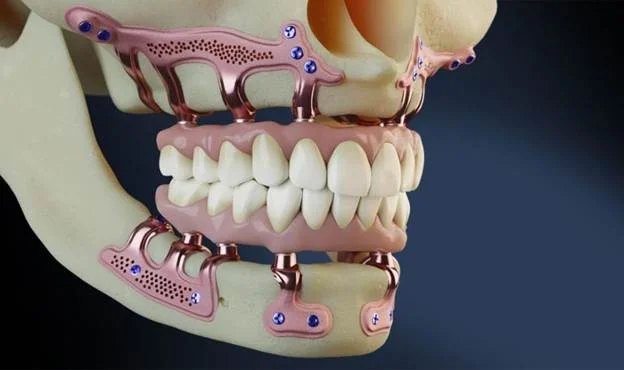
The process of designing and manufacturing subperiosteal implants has been dramatically accelerated by 3D printing. Traditional methods could take weeks to produce a custom implant, often delaying the overall treatment plan. With 3D printing, the creation of the implant can be completed in a fraction of the time, allowing patients to receive their implants more quickly and return to their normal lives sooner.
For oral surgeons, the efficiency of 3D printing reduces the number of appointments needed and minimizes the amount of time spent on adjusting or remaking implants. This streamlined process leads to a smoother experience for both the surgeon and the patient, resulting in fewer delays and a quicker recovery.
Cost-effectiveness
While 3D printing technology has traditionally been associated with high costs, advancements have made it more accessible and affordable for dental practices. The reduction in time and labor required to design and create custom patient-specific jaw implants translates to a more cost-effective treatment option for patients. Additionally, the accuracy and precision offered by 3D printing reduce the likelihood of complications, which could result in expensive revisions or replacements down the line.
Minimized risk of complications
The level of precision achieved through 3D printing significantly reduces the chances of complications that can arise with traditional subperiosteal implants. The ability to create a custom dental implant ensures that it sits securely and comfortably within the patient’s jaw, decreasing the likelihood of issues like implant movement or tissue irritation. Moreover, the enhanced design process allows oral surgeons to carefully plan the placement of the implant, reducing the risk of damage to surrounding structures such as nerves or blood vessels.
How do 3D-printed implants improve the patient experience?
The advancements in implant dentistry brought about by 3D printing have not only transformed the clinical side of implant procedures but have also had a profound impact on the patient experience. Here’s how:
Less invasive procedures
The precision of CAD/CAM dental implants means that the surgery required to place them is often less invasive. In many cases, surgeons can use minimally invasive techniques to insert the implant, which reduces the size of incisions and the overall trauma to surrounding tissues. This results in a quicker recovery time and less post-operative discomfort for patients.
Reduced healing time
The custom fit provided by 3D printing promotes better tissue integration and less stress on the surrounding bone and gums. This can lead to a faster and more comfortable healing process, with fewer risks of infection or other complications. Patients can look forward to a smoother recovery period, with the potential for earlier restoration of function and aesthetics.
Improved aesthetic outcomes
Patients who receive subperiosteal implants often seek these procedures not just for functional reasons, but also to restore their appearance. The precision of 3D printing ensures that the implant is placed in the most optimal position, offering better results both in terms of functionality and aesthetics. Patients can enjoy a natural-looking, confident smile without the discomfort or complications that might have been present with traditional implants.
Who should I turn to for a biocompatible subperiosteal dental implant in Temecula, CA & beyond?
Whether you’re located close to Temecula Creek or anywhere else in the surrounding area, Temecula Dental Implants & Oral Surgery has the solution that can completely transform your daily life. Our high-end 3D printing could be the game-changing innovation tailored specifically to your needs.
If you want to delve deeper into the basics of subperiosteal implants, learn how they can restore severely deteriorated jawbone, or enquire about the implanting process in greater detail, we are here to guide you through every step of the process. Book your in-person consultation and take the first step toward a healthier, more confident smile! Call us today!
Comments are closed.