

A Complete Guide to Subperiosteal Implants
Tooth loss can feel overwhelming, especially if you’ve already been told that traditional implants may not work for you. Many patients with bone loss assume their only option is removable dentures or extensive bone grafting procedures.
However, subperiosteal dental implants in Temecula, CA, offer a specialized solution for individuals who lack the jawbone density needed for conventional implants.
If you have been searching for permanent tooth replacement but were discouraged by limited bone structure, this comprehensive guide will walk you through how subperiosteal implants work, who they are designed for, and what to expect from treatment realistically.
What are subperiosteal dental implants? 
Subperiosteal implants are a type of dental implant that sits on top of the jawbone but underneath the gum tissue. Unlike traditional implants that are inserted directly into the bone, subperiosteal implants rely on a custom-designed metal framework that conforms precisely to the contours of your jaw.
The framework includes small posts that extend through the gum line and serve as anchors for artificial teeth or a full-arch restoration. Because these implants do not require deep insertion into bone, they are often recommended as one of the leading implant options for low bone density.
This design makes them particularly valuable for patients who have experienced significant bone resorption over time.
Why does bone loss matter in dental implant treatment?
Bone loss typically occurs after tooth extraction. When a tooth root is no longer stimulating the jawbone, the bone begins to shrink. Over the years, this can lead to:
- Reduced jaw height
- Thinner bone structure
- Facial changes
- Difficulty placing traditional implants
Traditional implants depend on strong, thick bone to fuse properly. Without sufficient bone, the risk of implant instability increases. Many patients in this situation are advised to undergo bone grafting. However, not everyone wants or qualifies for graft procedures.
That is where dental implants without bone graft techniques, such as subperiosteal implants, can become an important alternative.
How does subperiosteal implant surgery work?
The process typically unfolds in several carefully planned stages:
1. Advanced imaging and digital planning
Modern dentistry relies heavily on digital precision. Before surgery, detailed 3D imaging is used to evaluate bone structure. These scans allow your surgeon to design custom jaw implants that fit your anatomy with exceptional accuracy.
This stage is critical because subperiosteal implants must rest securely on the bone surface without shifting.
2. The surgical procedure
During subperiosteal implant surgery, the gum tissue is gently opened to expose the jawbone. The custom metal framework is carefully positioned over the bone, ensuring a precise fit. The subperiosteal implant is then secured to the bone with smaller fixation screws. The gum tissue is then sutured back into place, leaving the posts visible above the gum line.
Unlike traditional implants, this procedure does not require drilling deep into the jawbone. For many patients, this means less invasive surgery compared to other advanced solutions.
3. Healing and restoration phase
As the gums heal around the framework, the implant stabilizes. Once healing is complete, your permanent restoration is attached to the posts. The final result is a fixed solution that feels secure and natural.
Who are the best candidates for subperiosteal implants?
Determining the right implant option requires a thorough evaluation. Generally, strong candidates for subperiosteal implants include patients who:
- Have moderate to severe jawbone loss
- Have been told they are not suitable for traditional implants
- Prefer to avoid extensive grafting procedures
- Want a fixed restoration instead of removable dentures
Patients with medical conditions that affect bone healing may also benefit from exploring alternative dental implant techniques rather than pursuing aggressive bone reconstruction.
A consultation with a skilled oral surgeon is the only way to determine whether this solution aligns with your needs.
How do subperiosteal implants compare to other techniques?
Patients with severe bone loss may also hear about zygomatic implants. Understanding the difference between zygomatic vs subperiosteal implants can help clarify your options.
Zygomatic implants anchor into the cheekbone, which is denser than the upper jaw. This method is highly effective but involves a more complex surgical approach.
Subperiosteal implants, on the other hand, rest on the jawbone surface rather than extending into deeper facial structures. While both options serve patients with low bone density, subperiosteal implants may feel less invasive for certain cases.
The choice depends on bone condition, overall health, and long-term goals.
What are the benefits of subperiosteal dental implants? 

One of the main advantages of subperiosteal implants is that they expand treatment possibilities for patients who may otherwise feel out of options.
1. Avoiding bone grafting
For many individuals, the opportunity to receive dental implants without bone graft procedures is the primary benefit. Bone grafting requires additional healing time and surgical intervention, which some patients prefer to avoid.
2. Customized structural fit
Because these implants are built as custom jaw implants, they are tailored specifically to your bone structure. This customization supports stability and comfort.
3. Restoring confidence and function
Subperiosteal implants provide fixed tooth replacement. Patients can speak, eat, and smile with greater confidence compared to removable dentures.
4. Expanded access to treatment
Perhaps the greatest benefit is accessibility. Individuals who previously believed they were not eligible for implants often find renewed hope through this technique.
What are the risks of subperiosteal implants?
As with any surgical procedure, there are considerations to discuss with your surgeon. Understanding the risks of subperiosteal implants helps you make an informed choice.
Potential risks may include:
- Infection
- Gum irritation
- Framework movement if improperly fitted
- Healing complications
- Long-term stress on the jaw
However, advancements in digital imaging and surgical precision have significantly reduced complications compared to earlier designs used decades ago.
Choosing a highly experienced provider is one of the most important steps in minimizing risk.
What affects the long-term success of subperiosteal implants?
The longevity of subperiosteal implants depends on several factors, including:
- Oral hygiene habits
- Routine dental visits
- Overall systemic health
- Proper surgical placement
With consistent maintenance and professional monitoring, these implants can provide durable, long-term results.
Patients should maintain regular cleanings and follow any specific care instructions given by their provider.
Are subperiosteal implants still relevant today?
While they were developed many years ago, technological advancements have transformed how subperiosteal implants are planned and fabricated. Modern digital scanning allows for precise customization, improving fit and long-term outcomes.
Today, they are considered a viable option for carefully selected patients seeking implant options for low bone density when traditional implants are not feasible.
As dental technology continues to evolve, the range of alternative dental implant techniques available to patients continues to expand.
Who provides durable subperiosteal dental implants in Temecula, CA? 
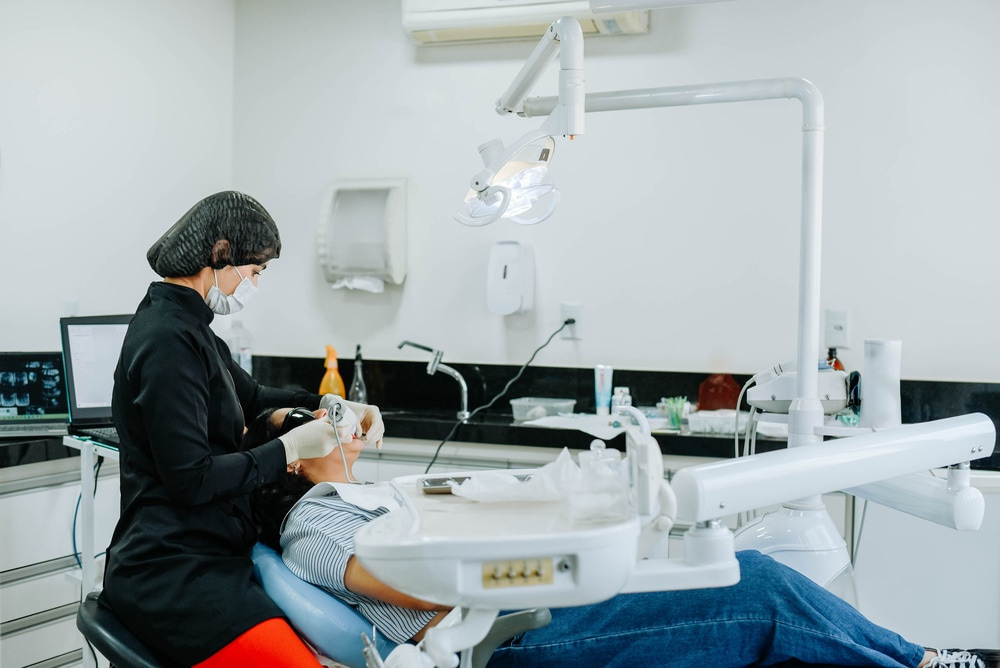
If you have been told you lack sufficient bone for traditional implants, you may still have options. At Temecula Dental Implants & Oral Surgery, Dr. Tsvetov provides advanced solutions for patients with complex bone conditions.
If you are still comparing solutions, we can also help you understand how subperiosteal implants restore severe bone loss, how 3D printing has transformed implant customization, and what the treatment process looks like from consultation through final restoration.
Whether you live close to Loma Linda Park or in another part of Temecula, we’re easily accessible. Schedule a consultation today and learn what options may be available for your smile!