

Snap-In Dentures vs Dental Implants
Losing teeth affects more than your appearance. It changes how you eat, how you speak, and how confident you feel in everyday situations. The good news is that dentistry has come a long way. Today’s tooth replacement options are more comfortable, stable, and natural-looking than what was available even a decade ago.
If you’re considering snap-in dentures vs implants, you’re probably wondering which one is actually better for you. Both have their place, and the right choice depends on your specific needs, health, and budget.
What are snap-in dentures?
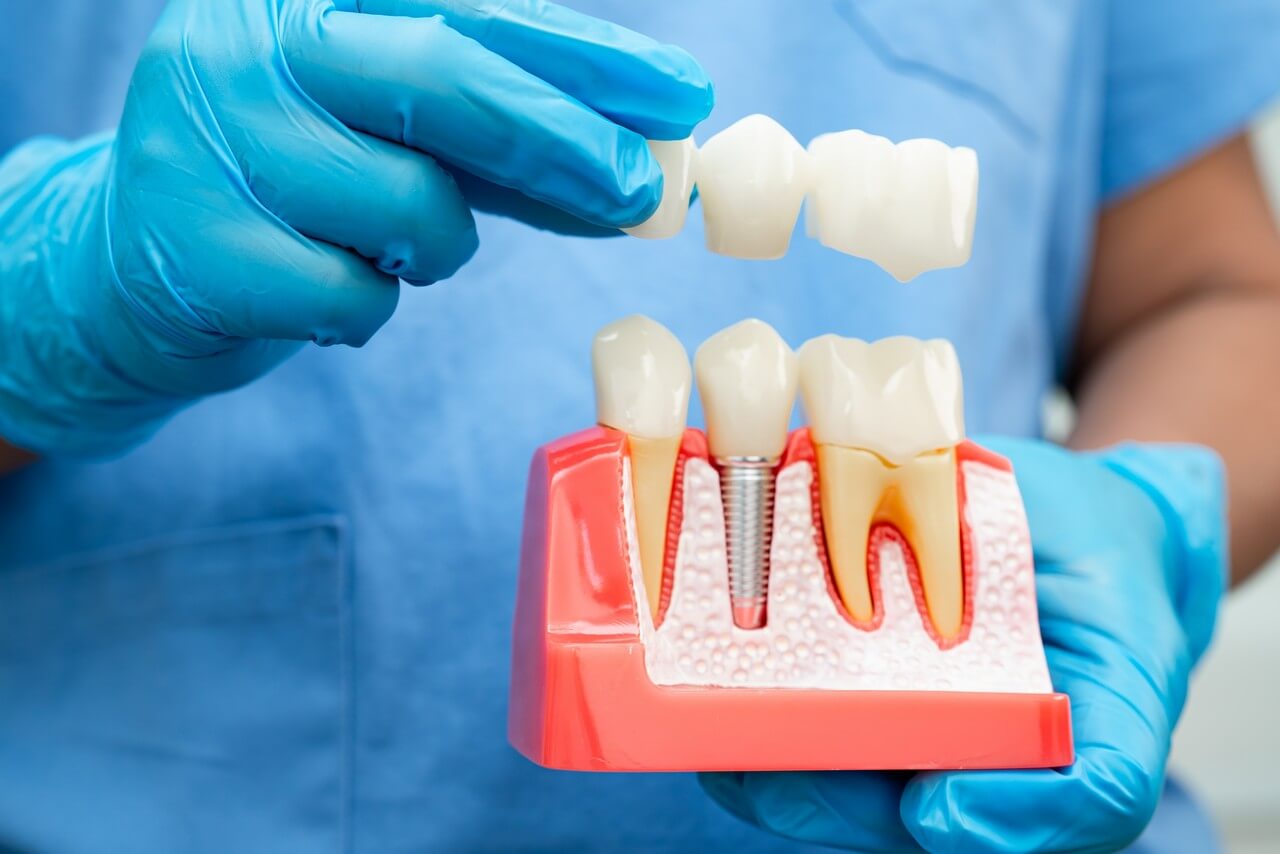
Snap-in dentures are removable dentures that attach to a few dental implants in your jaw. Instead of relying on suction or adhesives like traditional dentures, they “snap” onto small metal attachments for a secure, stable fit. Here’s what you should know about them:
1. How the attachment system works
Dental implants are placed in your jawbone to act as anchors. Your denture has built-in connectors on the underside that snap onto these implants. This keeps your denture firmly in place while you eat and talk, but you can still pop it out easily when it’s time to clean it or go to bed.
2. Why they’re different from traditional dentures
Traditional dentures just sit on top of your gums, which often means slipping and uncomfortable rubbing. Implant-retained dentures eliminate most of that movement by anchoring to implants. You can eat and talk with more confidence, and you’ll deal with far fewer sore spots. They’re also attached to implants, so they help preserve your jawbone. Traditional dentures can’t do that, so bone loss tends to happen over the years when teeth are missing.
3. Ideal candidates
Snap-in dentures work well if you’ve been struggling with loose dentures or want more stability without going all the way to a fully fixed restoration. They’re also a good option if you have moderate bone loss and want better function at a lower cost than a full implant bridge.

How do dental implants work?
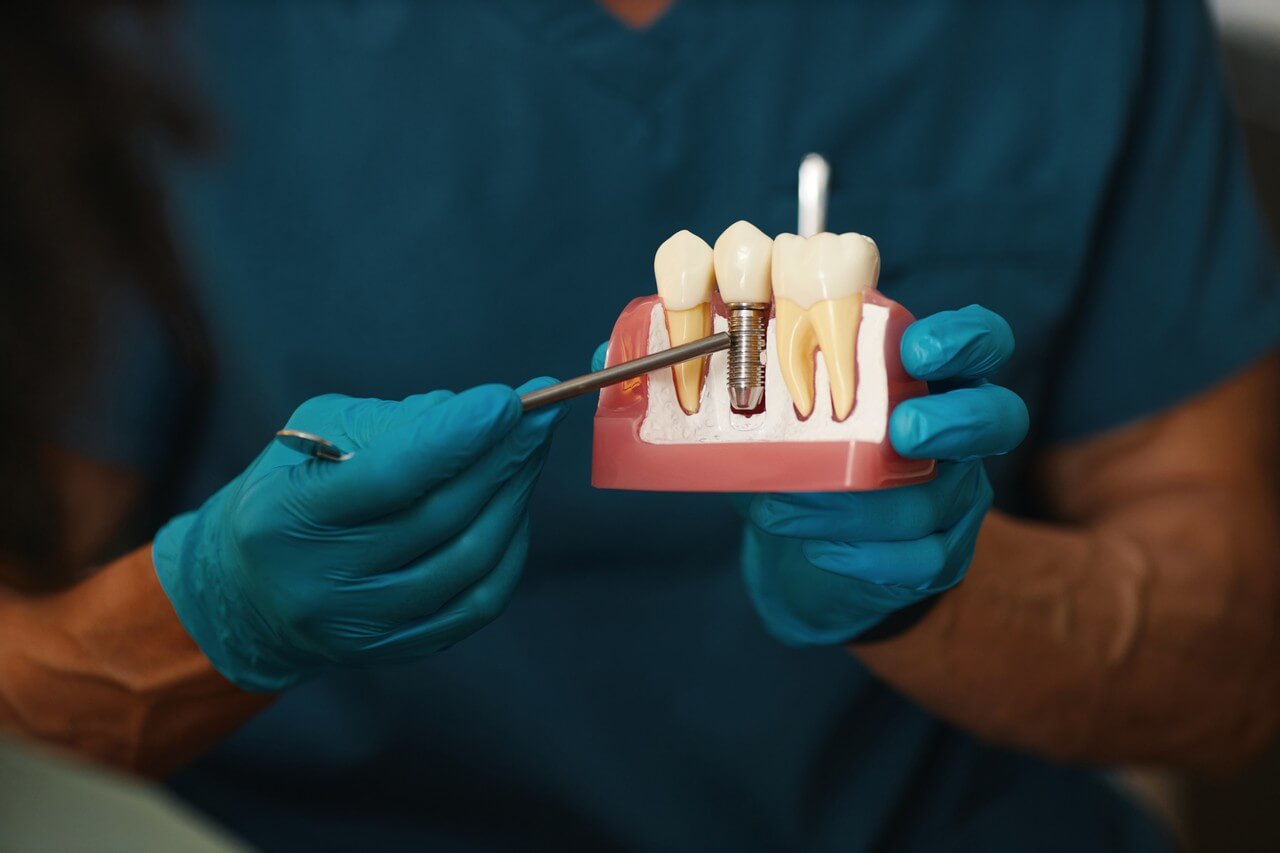
Dental implants are small titanium posts that replace missing tooth roots. They’re surgically placed into your jawbone, where they serve as anchors for crowns, bridges, or dentures. Over time, they actually fuse with your bone through a natural process called osseointegration, creating a stable, permanent foundation for your new teeth.
1. How dental implants fuse with bone
After an implant is placed, your bone tissue gradually grows around it, locking it securely in place. Since titanium is biocompatible, your body accepts it without rejection. The result is a bond that’s nearly as strong as a natural tooth root.
2. How implants keep your jawbone healthy
When you lose teeth, your jawbone starts to shrink because it’s no longer getting stimulation from chewing. Implants prevent this by transmitting chewing pressure directly into the bone, just like natural tooth roots do. That keeps your jaw healthy and strong, and prevents the facial collapse that can happen over time with missing teeth.
What’s the difference between dental implants vs dentures?
The main difference between dentures and implants lies in removability. Snap-in dentures attach to implants but can be taken out daily. Fixed implant bridges, like All-on-4 dental implants, stay permanently in your mouth and can only be removed by your dentist. Implants and dentures also differ in healing time, chewing power, bone support, care routine, and price. Here’s a closer look:
|
Feature |
Snap-in dentures |
All-on-4 dental implants |
|
Healing period |
Must wear a loose denture for ~3 months while implants heal |
Get fixed teeth immediately after implant placement |
|
Chewing efficiency |
~25% of natural teeth |
~95% of natural teeth |
|
Bone health |
Ongoing bone loss in areas where implants are missing |
Bone is preserved and maintained by multiple implants |
|
Maintenance |
Removable hard piece of plastic that you have to take out and clean every night |
Fixed teeth that are only removed twice a year by a dentist |
|
Durability |
Parts wear out and need to be replaced often |
No parts that wear out |
|
Tooth extractions |
Teeth removal costs extra |
Teeth removal cost is included |
|
Average cost |
The cost of snap-in dentures is $9000 (teeth extractions, 2 implants, attachments, denture) |
The cost of All-on-4 is $9500 (teeth extractions, 4-6 implants, attachments, fixed teeth) |
How many implants are needed for snap-in dentures?
Most implant-supported overdentures need between two and four implants per arch. The exact number depends on your bone quality and whether we’re treating your upper or lower jaw.
1. Lower jaw
For the lower jaw, two implants are often enough. The bone down there tends to be denser and stronger, so fewer implants can do the job. They’re usually placed toward the front of your jaw where they’ll provide the most stability.
2. Upper jaw
The upper jaw typically needs at least four implants. That’s because the bone is softer up top, and the chewing forces work differently. More implants help distribute pressure evenly and keep your denture secure.
Your dentist will recommend the right number for you after looking at your bone density through imaging and a clinical exam.
What is the dental implant procedure like?
The dental implant procedure is usually straightforward and well-tolerated. Most patients are surprised by how manageable it is. Many say it’s similar to having a tooth extracted, or even easier.
1. Planning and preparation
Your dentist starts with detailed imaging and digital planning to map out exactly where each implant should go. Modern software makes it possible to place implants precisely with minimal surgical trauma.
2. Day of surgery
You’ll get local anesthesia, and sedation too if you’d like it. Your dentist gently opens the gums, places the implants into the jawbone, then stitches everything closed. For a few implants, the whole process usually takes one to two hours. Afterward, any discomfort is typically mild and manageable with over-the-counter pain medication. You’ll stick to soft foods for a few days while things heal.
3. Healing and final placement
Over the next three to six months, your bone naturally fuses with the implants. Once that’s complete, the permanent bridge or crown are attached at this stage. If you’re getting snap-in dentures, this is when they are custom-made to fit securely over the implants.
Do you need bone grafting for dental implants?
You might need a bone graft for dental implants if your jawbone isn’t thick or dense enough to support them. Bone loss can happen after years of missing teeth, from gum disease, or because of trauma. Your dentist can tell from a CT scan whether you have enough bone. If there isn’t sufficient height or width, a graft strengthens the area so your implants have the best chance of long-term success.
Types of bone grafts
- Minor grafts: Small additions of bone material during implant surgery.
- Major grafts: Performed beforehand when significant bone loss exists.
Can I avoid a bone graft?
Advanced options like All-on-4 dental implants use angled placement in denser areas of bone, which often eliminates the need for grafting altogether. It’s a great choice if you have bone loss but still want fixed teeth.
How long do snap-in dentures and implants last?
With proper care, the implant posts themselves can last a lifetime. The denture or bridge that attaches to them typically lasts 7-15 years before needing replacement due to normal wear or changes in fit.
How to make your snap-in dentures or All-on-4 implants last longer
A few things make a big difference:
- Keeping your implants and dentures clean every day,
- Avoiding excessive biting on hard foods,
- Using a nightguard if you grind your teeth,
- Staying on top of regular checkups and professional cleanings.
Titanium implants have a success rate above 95%, and failures are very rare when patients follow the proper aftercare instructions.
Are snap-in dentures permanent?
Snap-in dentures are semi-permanent. The implants themselves are permanent, but the denture is removable. This hybrid design gives you the best of both worlds: the stability of implants with the convenience of easy removal for cleaning or rest. If you prefer a restoration that never comes out, fixed All-on-4 dental implants are the fully permanent option.
Pros and cons: snap-in dentures vs. fixed implants
Both are excellent solutions, but each comes with trade-offs.
Snap-in dentures pros
- They’re more affordable upfront
- They require simpler surgery and easier recovery
- They’re easy to clean and adjust
- They’re a good option if you have mild to moderate bone loss
Snap-in dentures cons
- You’ll need to remove and clean them daily
- The attachments wear out over time and need replacement
- If your denture covers your palate, it can reduce your sense of taste
- There may be slight movement when you’re chewing
Fixed dental implants pros
- They’re a permanent and natural-looking tooth replacement
- You get unmatched chewing strength
- No adhesives or removal required
- They preserve your bone and facial structure
Fixed dental implants cons
- The upfront cost is higher
- You’ll need more implants and a longer healing time
- If something needs repair, you’ll have to see your dentist – you can’t just take them out yourself
How to clean and maintain snap-in dentures vs. dental implants
Good hygiene will make both your snap-ins and fixed implants last as long as possible.
1. How to clean snap-in dentures
Snap-in dentures require a bit more effort since you’ll need to remove and clean them separately:
- Remove them daily and brush with a denture brush and mild cleanser
- Rinse under warm water and avoid hot water, which can warp them
- Brush your gums and implants gently with a soft toothbrush
- Soak overnight in denture solution if you’d like
2. How to clean dental implants
Maintenance of dental implants is much simpler, since you can care for them just like for natural teeth:
- Brush twice daily with a soft-bristled brush
- Use floss threaders or interdental brushes to clean under bridges
- A water flosser is excellent for removing debris around implants
Visit your dentist every six months for cleanings and checkups. They’ll check the fit, replace any worn parts, and make sure your implants and gums stay healthy.
Can older adults still get dental implants or snap-in dentures?
Seniors make excellent candidates for both snap-in dentures and All-on-4 dental implants. Age alone doesn’t disqualify you. What matters most is your general health, bone condition, and willingness to care for your implants properly.
1. Eligibility for seniors
Many people in their seventies, eighties, and even nineties successfully receive implants today. If you’re healthy enough for routine dental care, you’re likely healthy enough for implants. Your dentist will evaluate your bone density and review your medical history to make sure your treatment plan is safe and tailored to your needs.
2. Comfort and recovery expectations
Seniors often find the implant process easier than they expected. Local anesthesia and mild sedation keep you comfortable during the dental implant procedure, and discomfort afterward is generally minor. Most patients are back to eating soft foods within a day or two and resume normal activities soon after.
3. Quality-of-life benefits
The improvements can be life-changing. Snap-in dentures for seniors restore dependable chewing power, so you can enjoy a balanced diet with fruits, vegetables, and proteins again. All-on-4 implants go even further: they preserve your facial structure, improve your speech, and give you a natural-looking, youthful smile. Just as importantly, many seniors regain the confidence to laugh, eat out, and socialize freely without worrying about loose or uncomfortable dentures.
How do I choose the best option for tooth replacement?
Deciding between snap-in dentures and fixed implants depends on what matters most to you. Here’s a simple guide:
|
Your priority |
Best option |
|
More affordable upfront |
Snap-in dentures |
|
Minimal daily cleaning |
All-on-4 implants |
|
Strongest chewing power |
All-on-4 implants |
|
Feels and functions like real teeth |
All-on-4 implants |
|
No palate coverage (better taste) |
All-on-4 implants |
|
Maximum bone preservation |
All-on-4 implants |
|
Never slips or moves |
All-on-4 implants |
|
Longest lifespan |
All-on-4 implants |
Your go-to specialists in the All-on-4 procedure
The choice is clear when comparing snap-in dentures vs. implants. While full-mouth dentures and implants are similarly priced options, All-on-4® offer a superior solution, bringing you as close as possible to the feel of natural teeth.
If you’re considering them, why not schedule a free consultation with Dr. Tsvetov at Temecula Dental Implants & Oral Surgery? It’s a fantastic opportunity to transform and enhance your smile. Whether you’re dealing with multiple missing or non-restorable teeth and seeking high-quality dental restoration or you’re already interested in the innovative All-on-4® treatment, we’re here to provide the expert care and aftercare advice you need. Don’t hesitate to get in touch with us!